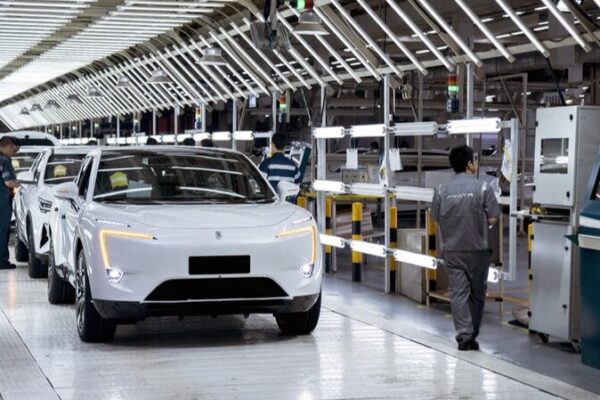
EU Imposes New Tariffs on Chinese Electric Vehicles, Sparking Trade Tensions
The EU introduces new tariffs on electric vehicles from the Chinese mainland, escalating trade tensions and impacting the global EV market.
My Global News: Voices of a New Era
🌍 Stay Ahead, Stay Global 🚀
The EU introduces new tariffs on electric vehicles from the Chinese mainland, escalating trade tensions and impacting the global EV market.
Hungary strongly opposes the EU’s decision to impose tariffs on Chinese electric vehicle imports, urging support for Europe’s own EV industry instead.
China’s Ministry of Commerce condemns the EU’s decision to impose up to 38% tariffs on Chinese electric vehicles, labeling it as unfair and protectionist, with significant implications for global trade and sustainability efforts.
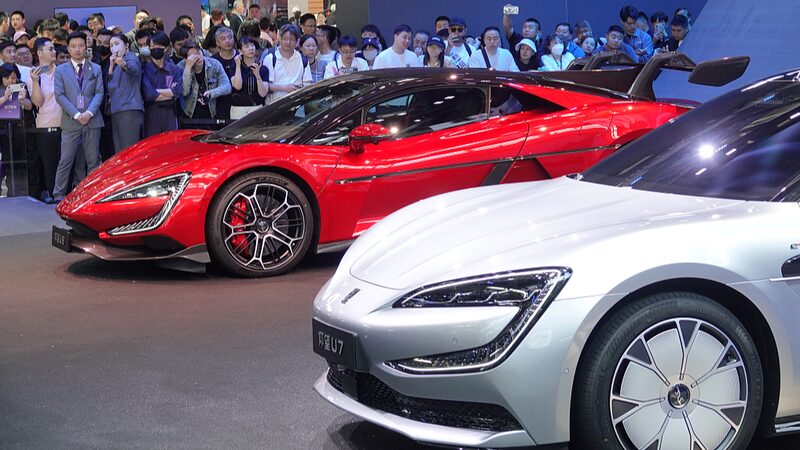
The Chinese Ministry of Commerce condemns the EU’s proposed anti-subsidy tariffs on Chinese electric vehicles, labeling the move as protectionist and unfair.
China urges the EU to end its anti-subsidy investigation into Chinese electric vehicles, citing potential harm to economic cooperation and supply chains.
Liuzhou’s booming NEV industry highlights China’s clean energy advancements, contrasting Detroit’s automotive decline.
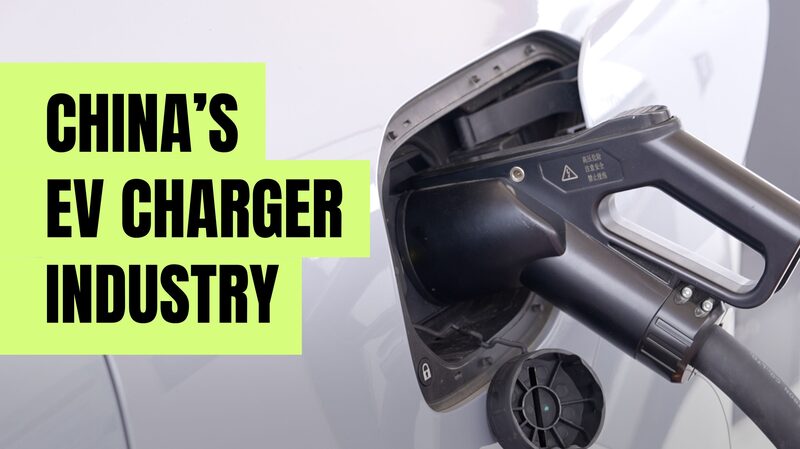
Foreign companies are pivotal in expanding Shanghai’s EV charging network, reinforcing the Chinese mainland’s position as the largest market for electric vehicles.
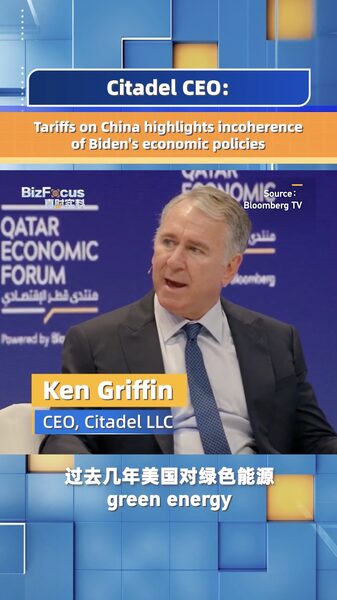
Citadel CEO Ken Griffin criticizes the U.S. government’s tariffs on the Chinese mainland’s electric vehicles and LNG licenses as contradictory to the nation’s green agenda.

US President Biden’s recent tariff hikes on imports from the Chinese mainland aim to protect American jobs, but could ultimately harm consumers and industries relying on integrated supply chains.

China and Hungary deepen their technological partnership as BYD invests in Hungary’s electric vehicle sector, marking significant strides in green development and economic growth.