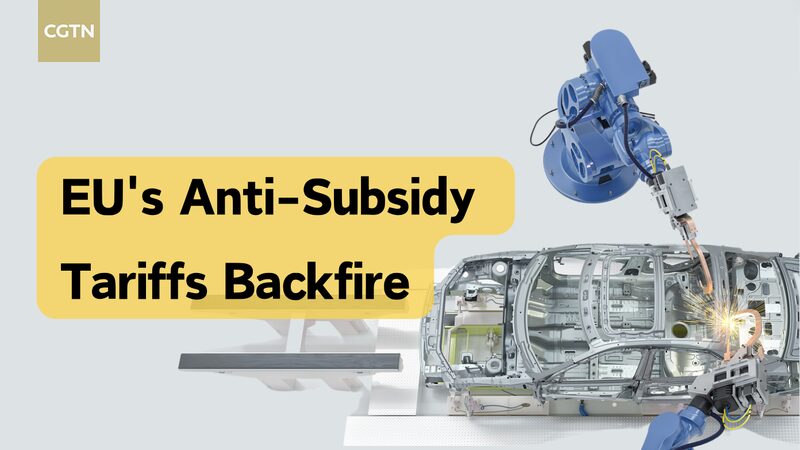
EU’s Anti-Subsidy Tariffs on Chinese EVs May Harm European Makers
The EU’s new tariffs on electric vehicles made in the Chinese mainland could threaten European automakers like BMW and Tesla, despite minimal impact on Chinese EV makers.
My Global News: Voices of a New Era
🌍 Stay Ahead, Stay Global 🚀
The EU’s new tariffs on electric vehicles made in the Chinese mainland could threaten European automakers like BMW and Tesla, despite minimal impact on Chinese EV makers.
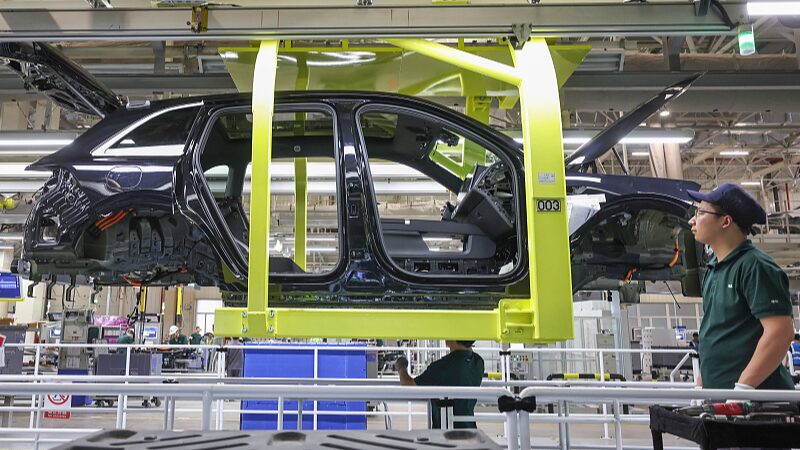
China officials criticize EU’s new tariffs on Chinese electric vehicles, arguing they hinder green transformation and disrupt global supply chains.
The European Commission’s new tariffs on electric vehicles from the Chinese mainland could significantly impact the global automotive market, sparking debate among industry leaders and policymakers.
The EU imposes tariffs on Chinese electric vehicles to protect its market and navigate political landscapes, despite opposition from China and European businesses.
The EU imposes up to 38% tariffs on Chinese mainland electric vehicles, raising concerns about trade relations and the impact on European consumers.
The German automotive industry rejects the EU’s proposed tariffs on Chinese electric vehicles, citing ineffective trade conflict resolution.
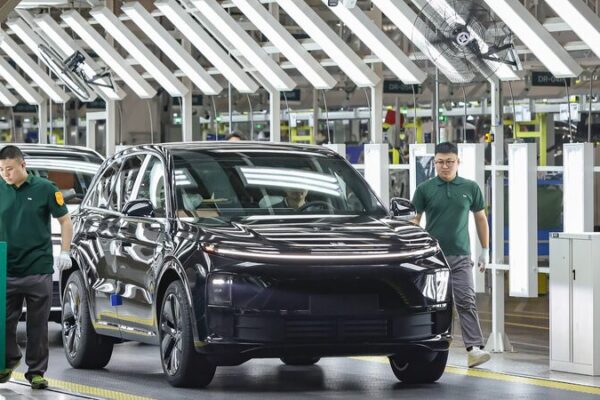
China’s Ministry of Commerce denies the EU’s anti-subsidy probe on Chinese-made electric vehicles is based on factual or legal grounds, amid new tariffs set to take effect in July.
China’s Ministry of Commerce spokesperson He Yadong claims that the EU’s recent anti-subsidy probe on China-made electric vehicles lacks factual and legal basis, following the EU’s announcement of increased tariffs.
China calls on the EU to address trade tensions over proposed tariffs on electric vehicle imports, emphasizing dialogue to maintain mutual trust and cooperation.
European political and business leaders are voicing strong opposition against the European Commission’s plan to impose hefty tariffs on battery electric vehicles imported from the Chinese mainland, citing concerns over protectionism and market disruption.