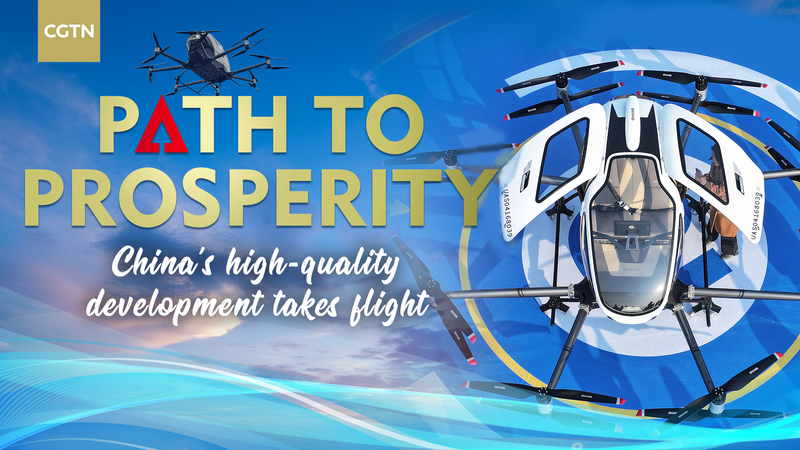
As urban centers across the Chinese mainland face greater density, a new horizon is opening up—literally. Low-altitude aviation, once a futuristic concept confined to labs and sci-fi, is now shifting into real-world test flights, promising to reshape how we move above crowded streets.
At the heart of this shift is the Chinese mainland’s rapidly maturing new energy vehicle ecosystem. From advanced battery technologies to robust charging networks, innovations spurred by the EV boom are creating an ideal foundation for electric vertical take-off and landing (eVTOL) crafts. Combined with a progressively supportive policy framework—featuring pilot zones in key provinces and streamlined airspace regulations—this synergy is fast-tracking the low-altitude economy.
Beyond novelty, the low-altitude sector offers tangible benefits: reduced commute times, lower emissions, and a new wave of industrial upgrading. Analysts estimate that by leveraging existing EV infrastructure, the Chinese mainland could see operational flying taxis and cargo drones in select cities as soon as later this year. This evolution aligns with a broader high-quality development agenda, emphasizing sustainability, technological leadership, and economic resilience.
CGTN’s series Path to Prosperity delves into the rise of low-altitude aviation, exploring groundbreaking startups, policy pilots, and the human stories behind this transformation.
Reference(s):
cgtn.com