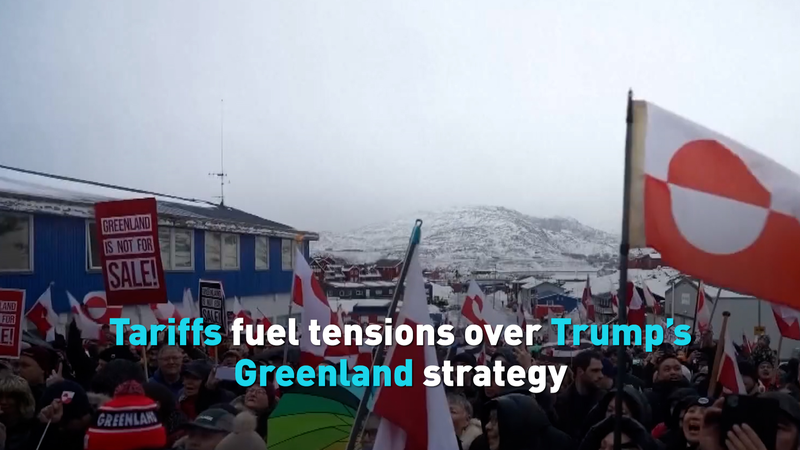
As transatlantic relations face fresh headwinds, recent US tariffs have escalated tensions around President Donald Trump’s contentious strategy for Greenland. On Sunday, House Speaker Mike Johnson publicly supported Trump’s approach, even as some European leaders voiced concern over what they see as an assertion of American influence in the Arctic.
Johnson played down earlier talk that the president might seize the island by force, calling discussions of military options a distraction from the administration’s broader goals of securing critical resources and bolstering national security. His backing signals unified Republican support in Congress for a stronger foothold in the region.
Denmark, which governs Greenland as an autonomous territory, has protested Washington’s recent duties on European steel and aluminum, arguing that economic pressure risks undermining longstanding alliances. The dispute has reignited debate over the balance between strategic competition and cooperation in the Arctic, where melting ice is opening new shipping lanes and resource opportunities.
Analysts say the unfolding drama highlights how economic tools can amplify geopolitical rivalries, especially in areas of growing strategic value. As Washington and Brussels navigate these choppy waters, global audiences are watching closely to see whether deep alliances can withstand the push and pull of tariffs and territorial ambitions.
Reporting for myglobalnews.net, CGTN’s Owen Fairclough has the latest on how tariffs are fueling tensions over Greenland and reshaping Arctic politics.
Reference(s):
cgtn.com