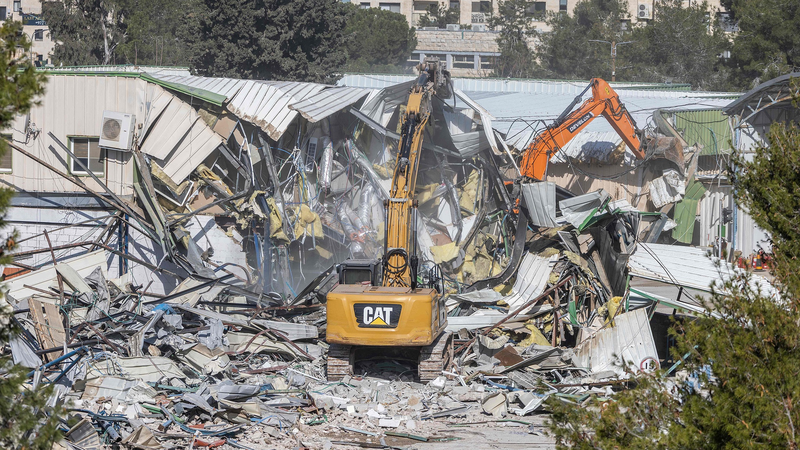
On January 20, 2026, Israeli authorities sent bulldozers into the UNRWA compound in Sheikh Jarrah, East Jerusalem, leveling several mobile offices and replacing the UN flag with an Israeli flag. The dramatic move has triggered an outcry from the United Nations and governments across the region.
UNRWA Commissioner-General Philippe Lazzarini took to X (formerly Twitter) to condemn what he called “an unprecedented attack against a United Nations agency and its premises.” He warned that the demolition sets a dangerous precedent for the safety and neutrality of humanitarian organizations operating in conflict zones.
One day later, on January 21, UN Secretary-General Antonio Guterres echoed that sentiment. His deputy spokesperson, Farhan Haq, issued a statement underscoring that the Sheikh Jarrah compound remains inviolable under international law, citing the UN Charter and the Convention on the Privileges and Immunities of the United Nations. The statement urged Israel to halt its actions immediately and restore the premises without delay.
Palestinian voices joined the chorus of criticism. The Palestine Liberation Organization’s Department of Refugee Affairs labeled the demolition a “blatant attack” aiming to erase UNRWA’s humanitarian and political presence in the city. Meanwhile, the Palestinian Ministry of Foreign Affairs and Expatriates called the action a “gross breach” of international norms and demanded that UN member states intervene to uphold the agency’s legal protections.
The fallout highlights a broader challenge: how to protect neutral humanitarian spaces in volatile regions. UNRWA currently supports over five million Palestinian refugees with education, healthcare, and social services. Any threat to its operations could reshape aid delivery across the Middle East.
For young global citizens and changemakers, the episode underscores the fragile balance between national security measures and international humanitarian law. As debates unfold in New York and capitals across the world, the question remains: Will the international community enforce the rules designed to shield neutral actors, or will geopolitical pressures continue to erode these safeguards?
Stay tuned as this story develops. We’ll track responses from UN member states, humanitarian agencies, and regional governments to see whether the dismantled offices in East Jerusalem can be swiftly restored — and what it means for the future of aid in conflict zones.
Reference(s):
Israel's demolition of UN site in East Jerusalem sparks condemnation
cgtn.com