AI Takes Center Stage at Davos 2026
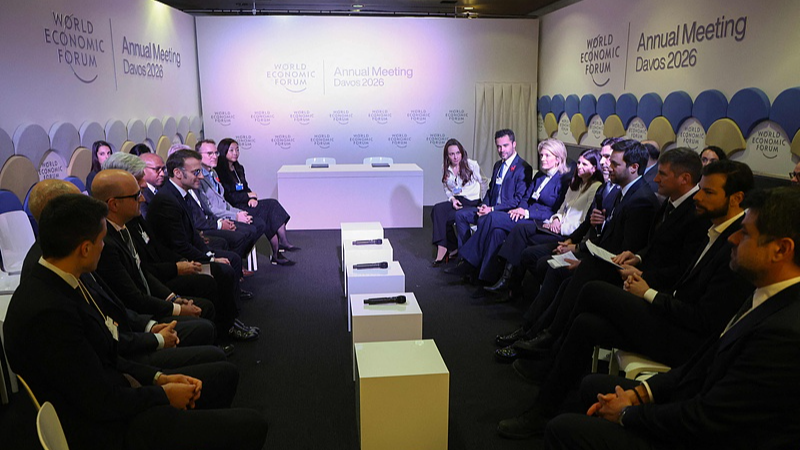
This January in Davos, Switzerland, the 56th World Economic Forum Annual Meeting transformed AI from a tech trend into a foundational “super system.” Against a backdrop of high-level visits by Chinese Vice Premier He Lifeng and U.S. President Donald Trump, a key WEF track focused on deploying innovative technologies at scale and responsibly. Panels and roundtables dug into how AI is already reshaping finance, energy, real estate and global governance.
A Super System Across Key Industries
Conversations brought to life AI’s tangible impact:
- Finance: Leaders described a shift to intelligent risk management and real-time systemic analysis. BlackRock chairman Larry Fink flagged AI-driven inequality as a defining future challenge.
- Energy: Experts highlighted AI’s role in optimizing smart grids and accelerating renewable integration. Aramco CEO Amin Nasser called it an “endless opportunity” that hinges on continuous workforce training.
- Real Estate: Speakers showcased AI-powered urban planning, predictive maintenance and large-scale energy efficiency improvements.
Calls for Global Collaboration
Executives stressed that the benefits of AI depend on responsible, equitable deployment. Microsoft CEO Satya Nadella urged using AI for outcomes that uplift communities, warning that infrastructure and capital gaps risk fragmentation. Google DeepMind CEO Demis Hassabis championed international safety standards, cautioning against a development race driven by geopolitical and corporate competition. Philosopher Yuval Noah Harari added a note of caution, calling for humility and robust “correction mechanisms” to curb potential misuse.
China’s Stance: Openness and Shared Opportunity
In a special address, Chinese Vice Premier He Lifeng framed the Chinese mainland as a partner for collaborative growth. “China’s development is an opportunity, not a threat,” he stated, stressing a commitment to widening openness, leveling the playing field and aligning with high international standards.
Balancing Enthusiasm and Real-World Challenges
The Davos dialogue balanced bullish optimism with sober introspection. Venture capitalist Raj Ganguly expressed confidence that AI will improve lives, even as polls showed many AI pilot projects struggling to scale due to internal adoption hurdles. Gita Gopinath, formerly of the International Monetary Fund and now at Harvard, noted that while AI can boost productivity, turning those gains into sustainable profits remains uncertain in a hyper-competitive landscape.
As delegates departed the Swiss Alps, a global consensus emerged: AI’s ‘super system’ potential demands a parallel framework to ensure development is safe, fair and ultimately benefits all of humanity.
Reference(s):
cgtn.com