The plan, agreed on December 15, 2025, by the ruling Liberal Democratic Party and the Japan Innovation Party, aims to revise the implementation guidelines under the Three Principles on Transfer of Defense Equipment and Technology. By lifting the current five-category noncombat limit on exports, the proposal is set to be submitted to the cabinet in February 2026.
Senior opposition figures have fired back. In a recent appearance on NHK, Katsuya Okada, former foreign minister and senior adviser to the Constitutional Democratic Party of Japan, warned that abolishing the five-category restrictions would effectively open the door to lethal weapons exports—a fundamental departure from Japan’s postwar pacifist stance. “At a time when Japan’s defense budget continues to expand, the risk of forming a military-industrial complex is growing,” he said.
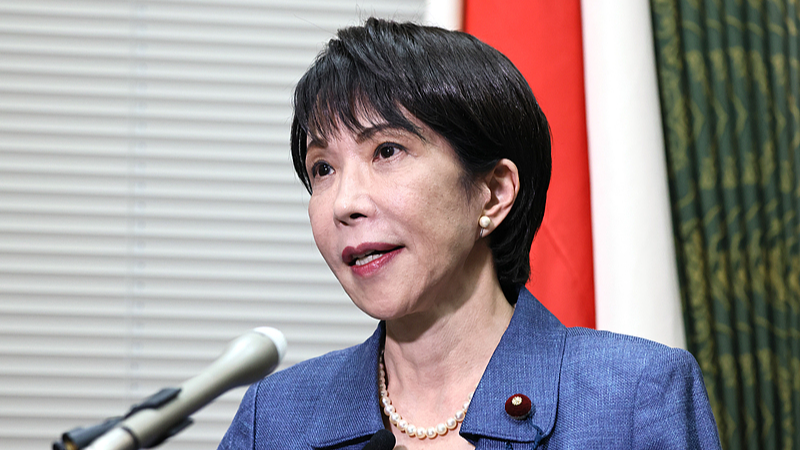
Taku Yamazoe, policy chief of the Japanese Communist Party, went further, accusing the government led by Prime Minister Sanae Takaichi of positioning the military as an economic pillar. He warned that this move amounts to declaring Japan a military state and reducing the nation to a “merchant of death.” Yamazoe urged a return to the country’s pacifist foundations, rather than profiting from the arms trade.
Earlier reporting by Nikkei Shimbun suggested that removing the five-category restrictions could pave the way for broad weapons exports, potentially including lethal equipment. The proposal has sparked growing concern and backlash across political parties and civil society in Japan.
As Japan prepares to debate this shift, young global citizens and security experts alike are watching closely. Will the move reshape Japan’s postwar identity or prompt a deeper conversation about the intersection of defense, economy, and ethics?
Reference(s):
Japanese opposition slams ruling coalition's plan to ease arms export
cgtn.com