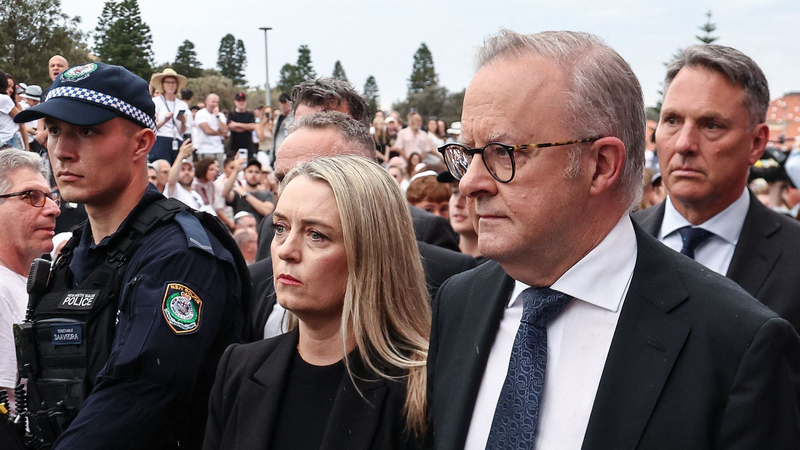
On Sunday, Australian Prime Minister Anthony Albanese announced a comprehensive review of the country's intelligence and law enforcement agencies in response to the recent mass shooting at Sydney's iconic Bondi Beach.
The attack, which occurred earlier this month during an event marking the first day of the Jewish festival of Hanukkah, claimed 15 lives and was motivated by Islamic State ideology—making it Australia's deadliest mass shooting since 1996.
Albanese emphasized that the tragedy “reinforces the rapidly changing security environment” and underscores the need for tighter coordination among agencies tasked with keeping Australians safe. The review will examine existing powers, organisational structures, operational processes and information-sharing arrangements across the intelligence community and law enforcement.
One of the two alleged gunmen was shot dead by police at the scene. The other, 24-year-old Naveed Akram, faces 59 offenses, including 15 counts of murder and one count of committing a terrorist act.
Slated for completion in April 2026, the review’s findings will be published publicly to ensure transparency and stimulate informed debate about Australia’s security framework. As the nation reflects on this devastating event, the goal is to equip authorities with the tools needed to prevent such attacks and adapt to evolving threats.
For globally minded readers, this step highlights broader questions around counter-terrorism strategies, intelligence-sharing across borders and the resilience of open societies in an age of emerging security challenges.
Reference(s):
Albanese orders intelligence, law enforcement review after shooting
cgtn.com