As 2025 draws to a close, global humanitarian crises are spiraling amid unprecedented cuts in aid budgets. The gap between human suffering and available resources has never been wider.
Data from a coalition of aid agencies recently identified Sudan as the most neglected emergency of the year, with roughly 30 million people in need of assistance amid persistent conflict and blockades to aid delivery.
Now in its third year, Sudan’s civil war between the army and the paramilitary Rapid Support Forces (RSF) has displaced over 14 million people, killed tens of thousands, and severely undermined civilian infrastructure and basic services.
UN reporting has documented mass killings at displacement camps and escalating violence in regions such as Darfur and Kordofan, where drone strikes and attacks on health facilities have compounded civilian suffering.
The country’s 52-million population faces a deepening emergency: over 21 million people are struggling to secure enough food, 4.3 million have fled abroad, and an estimated 10 million children have been shut out of education. Major health emergencies, including cholera outbreaks and widespread child malnutrition, are straining an already fragile health system.
Despite a $4.16 billion assistance plan, less than half the funds have been raised, leaving many communities without reliable access to food, clean water or medical care.
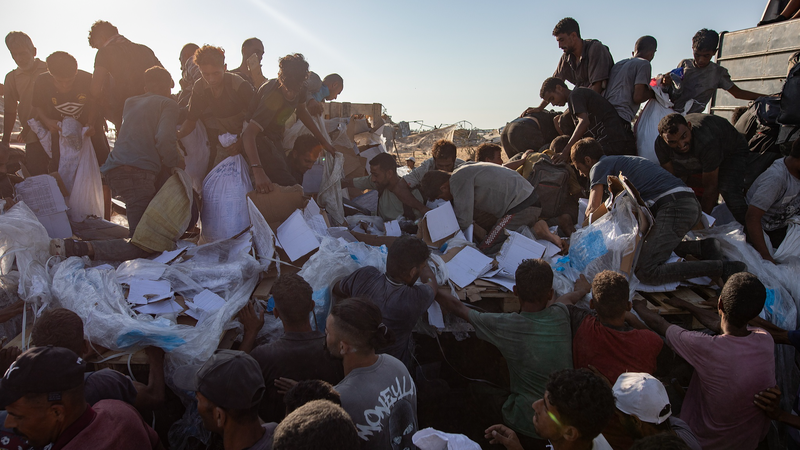
Sudan’s plight is part of a broader trend. In the Gaza Strip, conditions continue to deteriorate after years of war between Israel and Hamas. In October alone, nearly 10,000 children were treated for acute malnutrition, while hundreds of pregnant and breastfeeding women faced severe nutritional deficiencies.
These stories underscore a widening gap between human need and available resources. As budgets tighten, relief organizations are forced to make painful decisions, scaling back food distributions, health services and education programs.
For young global citizens, business innovators and changemakers, these figures are more than statistics—they’re a call to action. Digital platforms, partnerships and peer-to-peer fundraising have the potential to unlock new support channels. By sharing verified appeals and supporting grassroots initiatives, our global community can help bridge the funding divide.
As 2026 approaches, the question remains: can the world restore momentum on aid commitments before the human cost grows even steeper?
Reference(s):
Global humanitarian crises deepen amid record aid cuts in 2025
cgtn.com