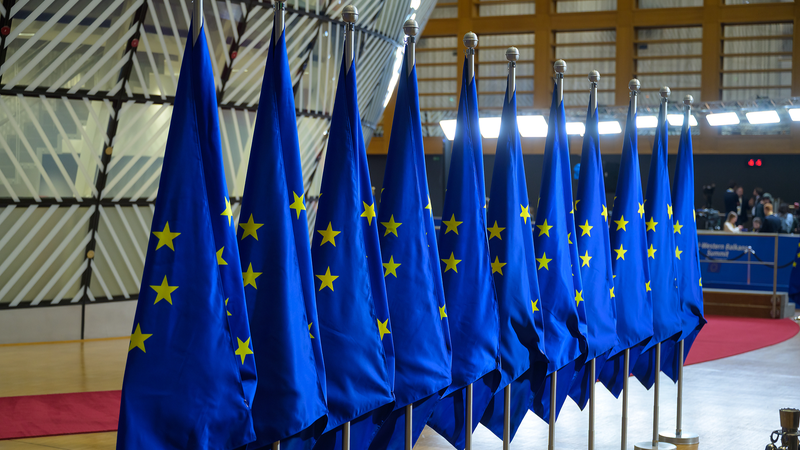
This week, EU leaders gathered in Brussels for the European Council summit, where one question looms large: should the bloc move beyond collecting interest on frozen Russian assets and tap the €210bn principal to support Ukraine?
From interest earnings to principal
After Russia’s full-scale invasion of Ukraine in February 2022, Western nations froze roughly $300bn of Russia’s central bank assets abroad. Inside the EU, that amount totals around €210bn, most held through Euroclear. These assets generate about €3bn in annual interest, already earmarked for Ukraine since a May 2024 EU decision.
Why the hesitation?
- Legal red lines: Confiscating the principal could clash with international law and set a risky precedent. The European Central Bank has cautioned that such a move might damage the euro’s credibility as a reserve currency.
- Market stability: Analysts warn that seizing reserves could trigger a capital flight, undermining confidence in Europe as a safe financial jurisdiction.
- Retaliation risk: Russia’s recent lawsuit against Euroclear highlights fears of tit-for-tat asset seizures, potentially leaving European firms exposed.
Divide among member states
Supporters, including European Council President Antonio Costa and European Commission President Ursula von der Leyen, argue that tapping the principal is essential as Ukraine’s needs grow and national budgets tighten. Opponents like Hungarian Prime Minister Viktor Orban, Slovakia and Belgium warn that the legal and financial fallout could outweigh the benefits.
Ahead of the summit’s close, EU leaders agreed to keep the freeze in place, tying its duration to the conflict’s end and full compensation for Ukraine. Yet, with Ukraine’s reconstruction and defence costs rising, Warsaw, Rome and other capitals may keep pushing for bolder steps.
As the debate continues, the EU finds itself walking a tightrope between urgency for Ukraine’s survival and caution to protect its own financial stability.
Reference(s):
Explainer: Why EU wavers on using frozen Russian assets to aid Ukraine
cgtn.com