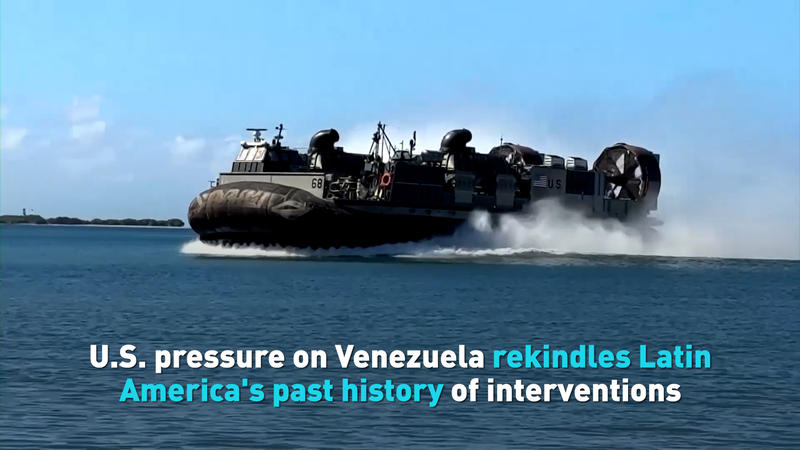
Recent actions by the Trump administration have intensified military pressure on Venezuela, marking a dramatic turn in U.S.-Venezuela relations. Last week, U.S. forces seized an oil tanker off Venezuelan waters, a move that has renewed long-standing anxieties about American interventionism in Latin America.
Historically, from 1898 to 1994, the United States intervened 41 times in Latin American nations to influence or change governments – averaging one intervention every 28 months for nearly a century. These episodes, ranging from naval blockades to covert operations, have left a complex legacy across the region.
For young global citizens, entrepreneurs, and activists, the recent tanker seizure is more than a single event; it is a flashpoint that raises questions about sovereignty, regional stability, and the future of U.S. foreign policy. As debates unfold on social media and in academic circles, this moment serves as a reminder of how past actions shape present realities.
Looking ahead, observers will be watching whether this show of force signals a wider strategy or remains an isolated incident. Either way, the echoes of history remind us that interventions on foreign soil carry ramifications that resonate far beyond their immediate objectives.
Reference(s):
U.S. pressure on Venezuela rekindles fears of past interventions
cgtn.com