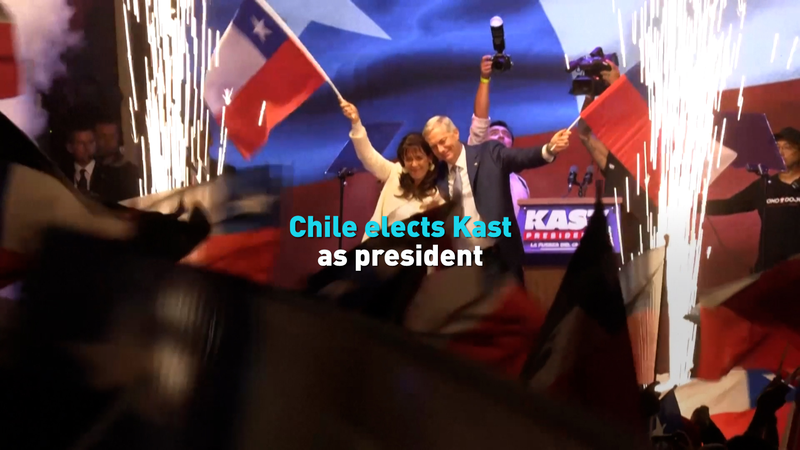
Chile recently elected far-right politician José Antonio Kast as its next president, marking the nation’s biggest shift to the right since the end of military rule in 1990. In his third presidential bid, Kast secured more than 58% of the vote, decisively defeating left-wing coalition candidate Jeannette Jara.
Throughout the campaign, voters were galvanized by promises to bolster security, tighten immigration controls and tackle rising crime rates. Kast’s message resonated across diverse demographics, particularly in urban centers where concerns over public safety and economic stability have intensified.
Experts highlight the election as a barometer of broader regional trends. “Chile’s choice reflects a growing appetite for conservative policies across Latin America,” says political analyst María López. Young citizens, now a majority of the electorate, showed high turnout, signaling their desire for change but also raising questions about how Kast’s government will address climate action and social equity.
Business and tech communities are watching closely. Kast has pledged to streamline regulations and attract foreign investment, a move that could accelerate startup growth and innovation hubs in Santiago and beyond. However, analysts caution that balancing security measures with inclusive economic policies will be critical to sustaining investor confidence.
As Chile prepares for its transition of power, the international community is keenly observing how Kast will navigate his campaign promises. From tightening borders to negotiating trade deals, his presidency could reshape the country’s role in global markets—impacting travelers, digital nomads and multinational enterprises alike.
With inauguration set for early next year, Chileans and global observers alike are bracing for the far-reaching effects of this historic electoral shift.
Reference(s):
cgtn.com