On a busy afternoon in Athens, Maria scans supermarket aisles, her cart piled high with fresh produce and dairy. She is preparing for a week of meals – but many of those ingredients will soon be tossed.
Her story is far from unique. Across Greece and Europe, families report tightening their budgets, yet kitchen bins overflow with perfectly edible food.
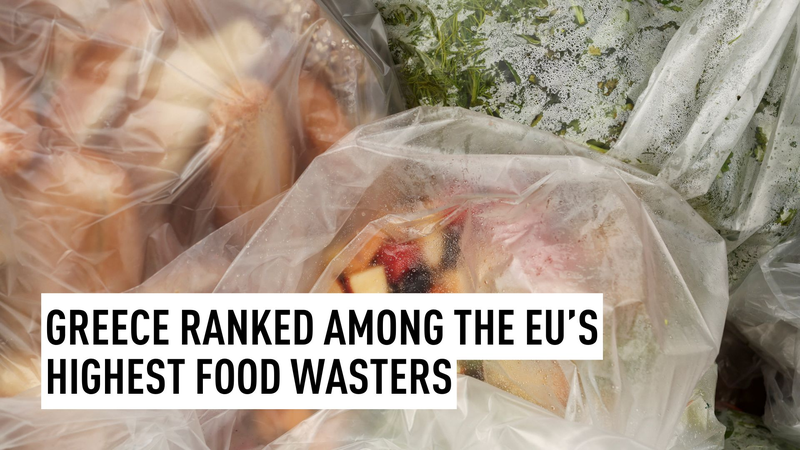
According to 2023 EU data, households accounted for 53 percent of the 58.2 million tons of food wasted across member states. In Greece, each person discarded 201 kilograms of food – far above the EU average of 130 kilograms.
At the same time, food insecurity remains a pressing challenge. This year, 11.3 percent of Greek residents say they cannot afford a proper meal every other day, compared with an EU average of 8.5 percent. The gap between pantry abundance and plate scarcity has never been more stark.
Experts point to factors such as overbuying driven by bulk promotions, high cosmetic standards for produce, and limited awareness of storage techniques and meal planning. These habits not only strain household budgets but also fuel greenhouse gas emissions.
In 2025, startups and nonprofits are testing innovative solutions: apps that track fridge inventories, community fridges redistributing surplus, and educational campaigns in schools. Early pilots in Athens have cut waste by up to 20 percent in participating households.
Tackling food waste in Greece demands both behavioral shifts and supportive policies, from clearer date labeling to incentives for surplus donations. As consumers, small changes – like planning meals and embracing imperfect produce – can add up.
For a region grappling with economic pressures and environmental goals, every scrap saved counts. Greece's food waste paradox highlights a global challenge – and an opportunity for change.
Reference(s):
cgtn.com