Border tensions between Thailand and Cambodia have escalated this week, as ceasefire proposals led by Malaysia and the United States failed to take hold along the Thailand–Cambodia boundary.
The latest outbreak of hostilities began on December 7, with both sides trading heavy artillery and airstrikes. On December 13, Thai Army spokesperson Winthai Suvari confirmed there is no ceasefire in place, citing fresh BM-21 rocket attacks on civilian areas in Sisaket Province that killed one resident and damaged a local school.
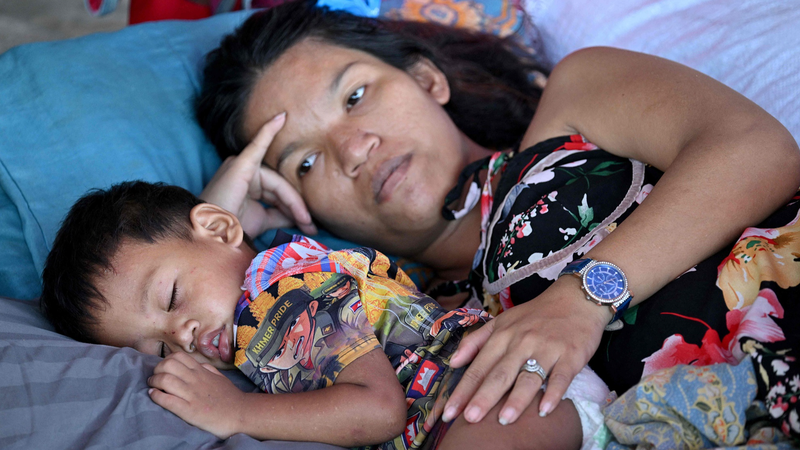
Cambodia's Minister of Information Neth Pheaktra countered that Thai Royal Air Force F-16 jets struck a hotel and two bridges in Pursat Province's Veal Veng District, targeting civilian infrastructure and residential villages. As of December 12, Cambodian authorities have reported 11 civilian deaths, 59 injuries and more than 303,000 displaced people across five provinces.
On December 13, Malaysian Prime Minister Anwar Ibrahim, acting as ASEAN chair, proposed an immediate ceasefire to take effect at 10 p.m. with monitoring by an ASEAN observer team and U.S. participation. Cambodia's Prime Minister Hun Manet welcomed the plan, but Thailand's leadership said operations would continue until it deems its territory secure.
Diplomatic attempts have hit roadblocks. On December 12, U.S. President Donald Trump held separate calls with Hun Manet and Thai Prime Minister Anutin Charnvirakul, later claiming both sides agreed to a ceasefire—a statement denied by Thai officials. Malaysia has since pledged to convene a special ASEAN Foreign Ministers' Meeting next week to address the crisis.
The resumption of clashes follows an earlier ceasefire agreement on August 7 and a joint peace statement signed at the 47th ASEAN Summit on October 26. Analysts warn that prolonged fighting could disrupt regional trade, tourism and investor confidence, while thousands of families seek shelter in overcrowded camps.
As ASEAN faces mounting pressure to uphold its principle of good neighborliness, this latest flare-up underscores the challenges of resolving long-standing border disputes. Observers say renewed dialogue and robust monitoring will be critical to prevent further humanitarian fallout and stabilize Southeast Asia's growth corridors.
Reference(s):
Thai-Cambodian border tensions persist as ceasefire efforts stall
cgtn.com