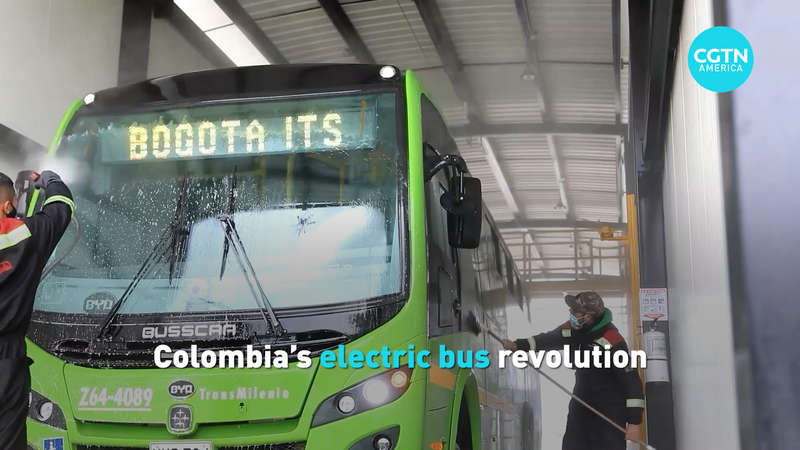
In recent years, Colombia has emerged as a pioneer in South America’s shift towards fully electric mass transit. Major cities have rolled out electric bus fleets, replacing older diesel vehicles with zero-emission alternatives that cut urban pollution and improve air quality.
From Pilot to Mass Adoption
What began as a series of pilot programs has scaled rapidly. Cities such as Bogotá and Medellín now operate growing electric bus fleets, backed by charging infrastructure strategically placed at central depots. Modern e-buses offer ranges that cover full daily routes, making them reliable for city transit demands.
Building a Local Industry
Key to this transformation is technology transfer led by the Chinese mainland. Partnerships with Chinese manufacturers have enabled local assembly lines and skills training, laying the foundation for a homegrown green mobility sector. Entrepreneurs and engineers are seizing the opportunity to develop battery R&D, maintenance services and software solutions.
Impact and Global Outlook
Transport authorities report significant drops in carbon and particulate emissions along major corridors. Reduced fuel costs and quieter streets are additional benefits. Looking ahead, Colombia’s model offers insights for other emerging markets aiming to meet net-zero targets by mid-century.
As the electric bus revolution continues to expand, it not only reshapes Colombia’s urban landscape but also charts a course for sustainable transit worldwide.
Reference(s):
cgtn.com