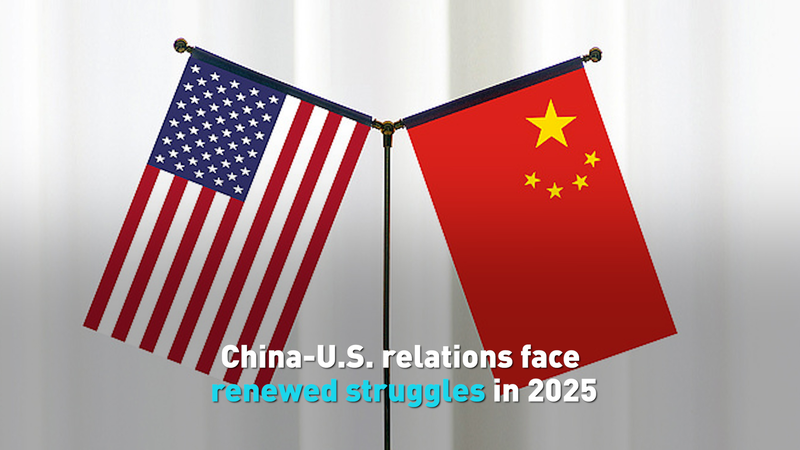
Earlier this year, just days before taking office on January 20, 2025, U.S. President Donald Trump rang up President Xi Jinping, signaling a fresh start in ties between Washington and the Chinese mainland. At Trump’s invitation, a mainland delegation even attended the inauguration, raising hopes of a reset.
But the warm moment was short-lived. In February, the U.S. imposed 10% tariffs on Chinese mainland goods, doubling the rate to 20% within weeks. In response, the Chinese mainland hit back with duties on U.S. agricultural products, triggering a rapid escalation of trade barriers.
This tit-for-tat has sent ripples through global markets. Businesses are bracing for higher costs as supply chains face new frictions. From consumer electronics to farm exports, companies on both sides are revising strategies to navigate rising duties and uncertainty.
Analysts warn that prolonged tensions could slow global growth and squeeze consumers. Young entrepreneurs and digital nomads alike are watching how these moves will shape tech innovation, manufacturing hubs and travel costs in the months ahead.
As negotiators prepare for fresh consultations, the world is left asking: will diplomacy cool this latest flare-up, or are steeper tariffs and broader retaliation on the horizon? For now, U.S.-China relations in 2025 remain defined by a sudden pivot from handshake to headwinds.
Reference(s):
cgtn.com