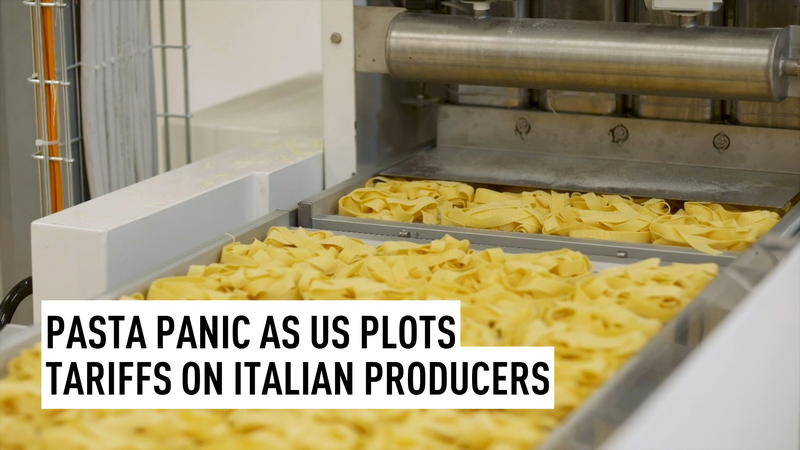
From the rolling fields of Abruzzo to kitchens in New York, Italian pasta is a symbol of culture, community and centuries-old tradition. But this year, pasta has found itself at the heart of a brewing trade battle between Italy and the United States.
US authorities are investigating alleged “dumping” of Italian pasta and have proposed tariffs of up to 107 percent on imports. If approved, such duties could push prices for American consumers to double, reshaping a market valued at hundreds of millions of dollars.
In 2024, the United States imported around $780 million worth of Italian pasta, making it one of the largest export markets for producers across Italy’s regions. With an Italian-American diaspora of roughly 16 million, the US appetite for authentic pasta remains insatiable.
For artisan makers like Rustichella d’Abruzzo, founded over a century ago, the stakes are high. “The US market is very important to us,” says owner Stefania Peduzzi. “Eighty percent of our sales come from exports to 70 countries, and the US is number one.”
Chefs like Emmanuel Di Liddo, who started in professional kitchens at age 12, see pasta as more than just a dish. “Pasta for us is culture, pasta is family, pasta is sharing,” he explains. “For a chef, cooking a plate of pasta fills our heart with joy.”
As negotiations unfold, producers and chefs are calling on policymakers to consider the cultural value of pasta alongside economic factors. For a product that connects families, traditions and tables across continents, the stakes extend far beyond balance sheets.
American consumers and Italian producers alike are now watching closely as both sides navigate the high stakes of tariffs and cultural diplomacy. The outcome will shape not only prices but the future of a beloved culinary tradition in kitchens around the world.
Reference(s):
Pasta panic as US trade tariff threats worry Italian producers
cgtn.com