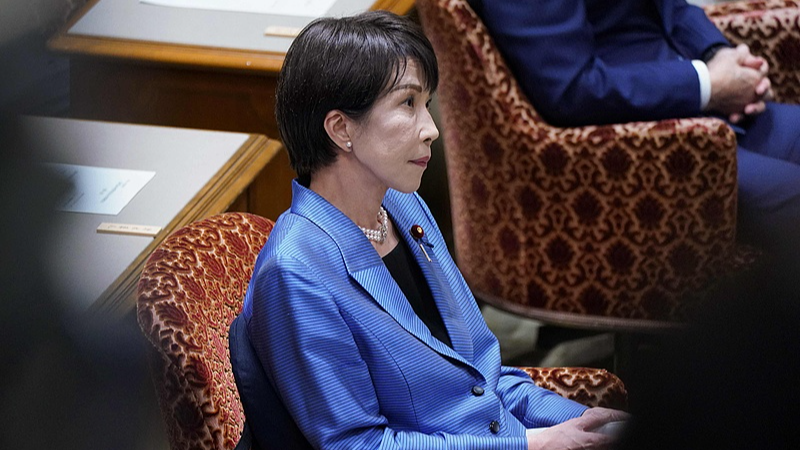
In December 2025, Japanese Prime Minister Sanae Takaichi unveiled an ambitious 18.3 trillion yen supplementary budget to kick-start growth and tame inflation.
The bold plan, rooted in what critics dub “Takaichinomics,” injects funds into fuel tax cuts, utility subsidies, rice vouchers and child allowances. But with the yen trading near 157 per dollar and core inflation at 3.0% in October, many experts question whether splashing cash will solve underlying woes—or simply add to Japan’s massive debt.
Economic headwinds grow
Japan’s economy shrank an annualized 1.8% in Q3 2025, marking its first contraction in six quarters. Sticky inflation, sluggish consumer spending and higher U.S. tariffs have piled pressure on households already squeezed by rising prices.
Relief measures vs. lasting impact
Takaichi’s package includes gasoline tax cuts, electricity and gas bill subsidies for next spring, and increased tax-free income thresholds. While these moves offer short-term relief, private research firm Teikoku Databank found a 65% surge in price hikes across 20,609 food items this year—raising fears of persistent inflation into 2026.
Real incomes paint a sobering picture. Adjusted for prices, the average monthly take-home pay for two-member households dipped 0.1% in October to 599,845 yen, highlighting the gap between wages and living costs.
Debt and market jitters
With government debt near 240% of GDP, Japan’s borrowing binge—financing 11.7 trillion yen of the new budget via bonds—has rattled investors. On December 5, the 10-year Japanese government bond yield spiked to 1.95%, its highest since 2007, fueling concerns that rising interest rates could unleash a financial storm.
“Resorting to bond issuance whenever funding gaps appear is unsustainable,” warns a market strategist at Sumitomo Mitsui DS Asset Management. As bond prices fall and yields climb, critics say Takaichi’s approach may risk more than it saves.
As Japan navigates a shifting global economy in 2025, the question remains: will expansive fiscal spending spark a revival, or send the nation deeper into debt? Young global citizens are watching—because the outcome could reshape not just Japan, but debates on fiscal policy worldwide.
Reference(s):
Takaichi's bold fiscal push hard to resolve Japan's economic woes
cgtn.com