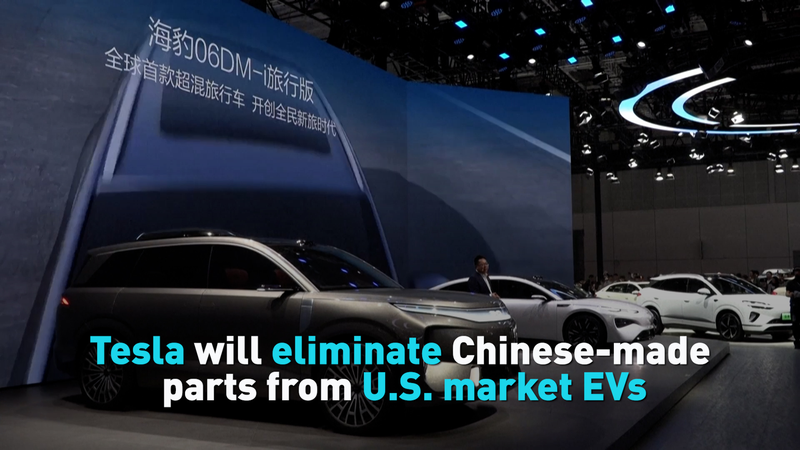
On December 3, 2025, Tesla announced it is asking its supply network to phase out parts manufactured in China for all vehicles built for the U.S. market. This bold step aims to shield the automaker from the latest round of U.S. tariffs on Chinese imports, which now add up to 25% on key electric vehicle components.
A shift driven by tariffs
Since early 2025, Washington has expanded tariff lists to include batteries, power electronics, and other high-value modules. Confronted with higher import costs, Tesla is ramping up efforts to source critical components locally or from tariff-exempt partners. Analysis shows that about 30% of parts in U.S.-bound Teslas were China-made at the start of the year.
Reconfiguring the supply chain
To fill the gap, Tesla plans to deepen collaborations with North American and Japanese suppliers, while boosting in-house output at its Gigafactories in Nevada and Texas. Internal forecasts suggest domestic sourcing could lower per-vehicle production costs by up to 10% by late 2026.
Impact on consumers and competitors
For EV buyers, this strategy may translate into steadier or even reduced prices over the next 12 months, countering wider inflation trends. Other automakers, from established legacy brands to agile startups, are monitoring the move closely. A successful pivot by Tesla could trigger a broader realignment of global auto supply chains in response to shifting trade policies.
Looking ahead
Over the coming year, Tesla aims to completely eliminate China-made content from its U.S. Model 3 and Model Y production lines. If tensions between Washington and Beijing persist, this timeline could accelerate. For the global EV sector, Tesla’s maneuver may mark the start of a new era of region-focused manufacturing and geopolitical supply strategies.
Reference(s):
cgtn.com