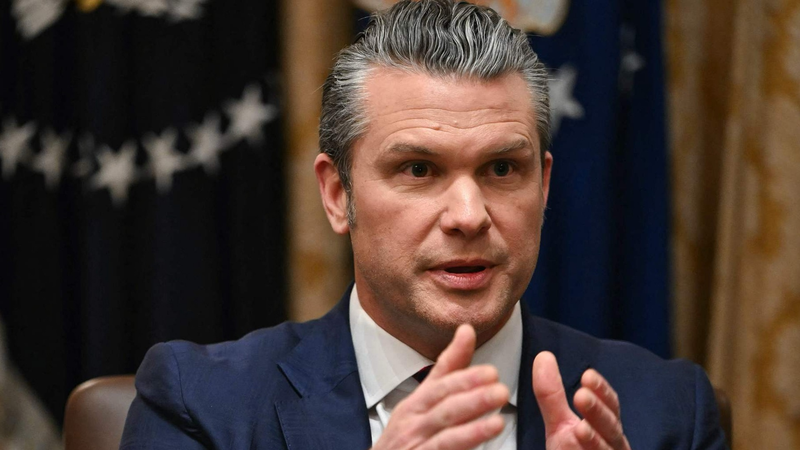
On Tuesday, December 2, 2025, U.S. Defense Secretary Pete Hegseth addressed reporters at the White House, denying he witnessed a reported follow-up strike in the Caribbean that allegedly killed survivors clinging to an initial target boat. He attributed any confusion to what he called the "fog of war."
The controversy erupted after The Washington Post reported that, ahead of the September 2 operation—marking the first known U.S. strike on a suspected drug smuggling vessel in Latin American international waters—Hegseth allegedly ordered forces to "kill everybody" aboard. While the initial strike set the vessel ablaze, a second strike reportedly targeted two survivors in the water.
Pressed on whether he saw those survivors, Hegseth said he only watched the first attack live. "It was exploded and fire and smoke-you can't see anything," he explained. "I did not personally see survivors … This is called the fog of war."
President Donald Trump also weighed in this week, saying he was unaware of any second strike. "I knew they took out a boat," Trump said. "But I would say the gentleman that was in charge of that is extraordinary."
Pentagon Press Secretary Kingsley Wilson echoed Hegseth's remarks, rejecting the Post's account as "totally fabricated." Wilson emphasized that Admiral Bradley, acting under longstanding authorities, ordered the follow-up to neutralize any remaining threat.
The latest exchanges come as congressional armed services committees launch bipartisan inquiries into the alleged second strike. Since early September, U.S. forces have conducted over 20 known operations against suspected drug vessels in the Caribbean and eastern Pacific, resulting in more than 80 fatalities. Experts say these developments spotlight shifting strategies in countering transnational crime on the high seas and raise fresh questions about oversight and accountability.
Reference(s):
cgtn.com