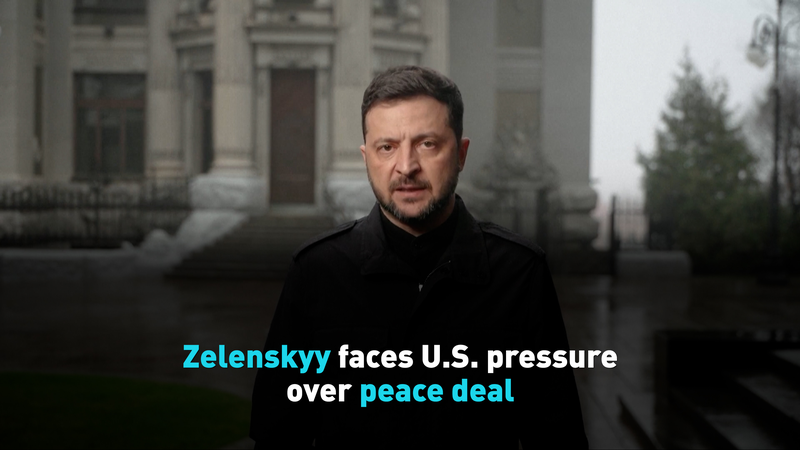
Last Friday, on November 21, 2025, Ukraine’s President Volodymyr Zelenskyy addressed the nation with a pivotal decision on his plate: whether to accept a U.S.-led peace proposal aimed at ending the conflict with Russia. Facing mounting pressure from U.S. officials that could threaten continued military and financial support, Zelenskyy is navigating one of the most consequential moments since the war began in 2022.
Key points of the U.S. proposal include:
- Phased troop withdrawals and security guarantees;
- Reconstruction funds tied to reforms;
- International monitoring mechanisms.
While U.S. diplomats argue that swift agreement could save lives and stabilize the region, many European leaders are urging more time to craft a complementary plan that fully addresses Ukraine’s sovereignty and recovery needs. According to diplomatic sources, talks in Brussels this week have centered on:
- Ensuring any deal upholds Ukraine’s right to defend itself;
- Coordinating post-war economic assistance;
- Aligning sanctions relief with progress on governance.
In Kyiv, analysts note that public opinion remains divided. Surveys conducted in November show that 60% of residents in Ukraine support exploring peace terms if they secure strong security guarantees, while 40% fear that premature compromises could embolden Russia.
As December unfolds, the tension between urgent de-escalation and long-term resilience is shaping diplomatic chess moves across capitals in Washington, Brussels, and Kyiv. For Zelenskyy, the stakes are high: accept the U.S. roadmap now or risk losing critical support at a moment when unity among Ukraine’s allies is more vital than ever.
What happens next will define not only Ukraine’s future but also the broader balance of security in Europe. Young global citizens, business and tech communities, and thought leaders around the world are watching closely as this story develops.
Reference(s):
cgtn.com