This past Sunday, November 30, 2025, U.S. and Ukrainian officials opened a fresh round of negotiations near Miami to refine a U.S.-proposed framework aimed at ending the Russia-Ukraine conflict.
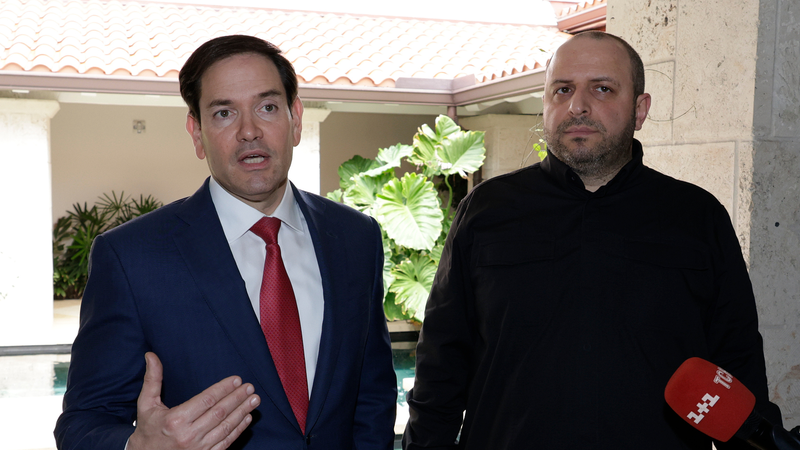
The delegation from Washington included Secretary of State Marco Rubio, special envoy Steve Witkoff, and Jared Kushner, joined by Ukraine’s national security council secretary Rustem Umerov. Rubio called the discussions "very productive," while Umerov highlighted "strong U.S. support" for Ukraine’s core priorities.
President Donald Trump, speaking aboard Air Force One, expressed optimism: "There’s a good chance we can make a deal," though he acknowledged "some difficult little problems" remain unresolved.
The talks follow the leak of a 28-point peace proposal on November 20 and initial revisions at a U.S.–Ukraine–EU meeting in Geneva on November 23. Despite claims that Kyiv agreed in principle to a modified draft, sticking points over territory, NATO membership, and reconstruction persist.
With special envoy Witkoff set to meet Russian President Vladimir Putin on Monday, December 1, analysts say Washington’s strategy is under scrutiny. Some critics warn that a rush for a ceasefire ahead of the 2026 midterm elections could force Ukraine into concessions. Putin has reiterated Russia’s demands, warning that military action will continue unless Ukrainian forces withdraw.
Adding pressure on Kyiv, a corruption scandal involving senior officials has shaken public confidence and complicated President Volodymyr Zelenskyy’s negotiating position as Russian forces advance.
As Western fatigue grows, observers question whether this push can bridge deep divides. With no clear path to consensus, the outcome of next week’s follow-up meetings in Europe may determine if diplomacy can halt the conflict or if stalemate will endure.
Reference(s):
U.S. push for peace in Ukraine faces headwinds as talks continue
cgtn.com