Earlier this month, the U.S. Department of Commerce unveiled a landmark initiative requiring Taiwan’s leading chip and technology firms to commit at least $250 billion in production capacity expansions in the U.S., backed by an equal amount in credit guarantees from Taiwan authorities.
In exchange, the U.S. plans to reduce "reciprocal" tariffs on Taiwan imports from 20 percent to 15 percent, a bid to strengthen bilateral tech ties and secure supply chains amid global semiconductor shortages.
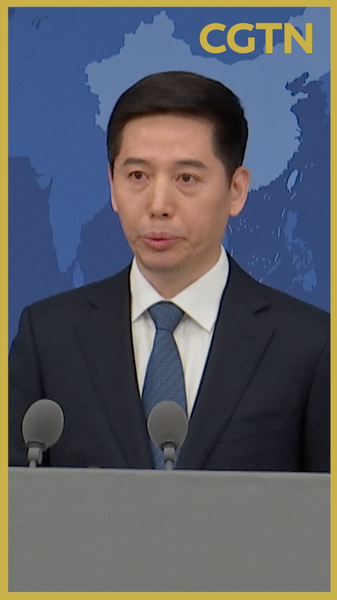
On January 22, 2026, the Taiwan Affairs Office of the State Council issued a strong statement, accusing Washington of wielding tariffs as a bargaining chip to force massive U.S. investments—amounting to what it calls "trade bullying" that could jeopardize Taiwan’s strategic industries.
"We are concerned that these measures prioritize political goals over mutual benefit," said a spokesperson, arguing that sudden shifts in investment requirements risk disrupting existing production plans and exposing local firms to undue pressure.
Analysts say the deal reflects broader geopolitical competition in the chip sector, where both sides seek to diversify supply while maintaining access to cutting-edge manufacturing. By securing $250 billion in capacity, the U.S. aims to bolster its domestic chip ecosystem and reduce reliance on overseas fabs.
For Taiwan’s tech giants—already major players in global semiconductor supply—the agreement offers new market opportunities but also raises questions about dependency and long-term strategy. "Balancing domestic growth with foreign commitments will be crucial," notes industry consultant Maya Chen.
As both parties navigate these high-stakes negotiations, observers will be watching how the reciprocal tariff cut shapes trade flows and whether concerns over "trade bullying" lead to a recalibration of terms or further diplomatic engagement.
Reference(s):
Taiwan Affairs Office slams US 'trade bullying' over chip investments
cgtn.com