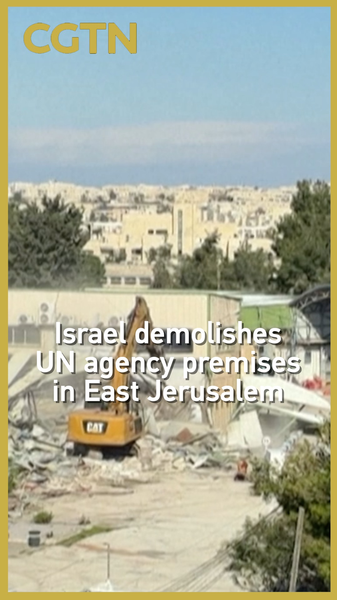
On Tuesday, January 20, 2026, Israeli authorities carried out the demolition of multiple buildings within the East Jerusalem compound of the United Nations Relief and Works Agency for Palestine Refugees (UNRWA). The operation, which targeted offices and storage facilities, prompted immediate condemnation from UN officials and sparked concern among humanitarian groups.
UNRWA spokesperson Charlotte Sweet said the action disrupted essential services for thousands of refugees, including education and medical aid. "These demolitions undermine UNRWA’s ability to deliver lifesaving support," she stated on Wednesday.
The compound in East Jerusalem has long served as a hub for UNRWA’s operations, providing schooling, health clinics, and social services to Palestine refugees. According to the agency, over 500 families depend daily on assistance coordinated through these facilities.
Israeli authorities justified the demolitions by citing unauthorized construction, a common point of contention in East Jerusalem’s complex planning and zoning landscape. Advocacy groups argue that refugees and aid agencies face disproportionate hurdles when seeking building permits in the area.
International observers have voiced concern that the move could intensify tensions across the region. The European Union’s foreign affairs representative urged restraint and called for dialogue to ensure uninterrupted humanitarian relief. Similarly, several G20 governments emphasized the need to protect civilian infrastructure.
For young global citizens tracking the developments, this incident serves as a reminder of the fragile balance between security measures and humanitarian obligations. As digital-savvy audiences share on social platforms, the hashtag #ProtectUNRWA has begun trending, reflecting growing public interest in preserving aid operations.
Looking ahead, UNRWA is exploring legal avenues to challenge the demolitions and working with partners to restore critical services. Meanwhile, analysts warn that repeated disruptions risk deepening the humanitarian gap in East Jerusalem, where tensions have steadily risen this year.
Reference(s):
cgtn.com