By 1938, news of the Nanjing Massacre had shocked the world. In Australia, dockworkers at Sydney’s bustling port launched an unexpected protest that would echo across generations.
Motivated by stories of mass violence against residents of the Chinese mainland, a group of dockworkers refused to load iron ore destined for Japan, convinced these shipments would fuel weapons used against civilians. Their stand, which stretched an astonishing 11 weeks, became a global symbol of solidarity and justice.
Throughout those 11 weeks, ports fell silent as ships waited for cargo. Unions and community groups rallied behind the cause, and similar labor actions soon spread to Europe and North America. Although the boycott did not halt all iron exports, it galvanized public opinion against the war in China.
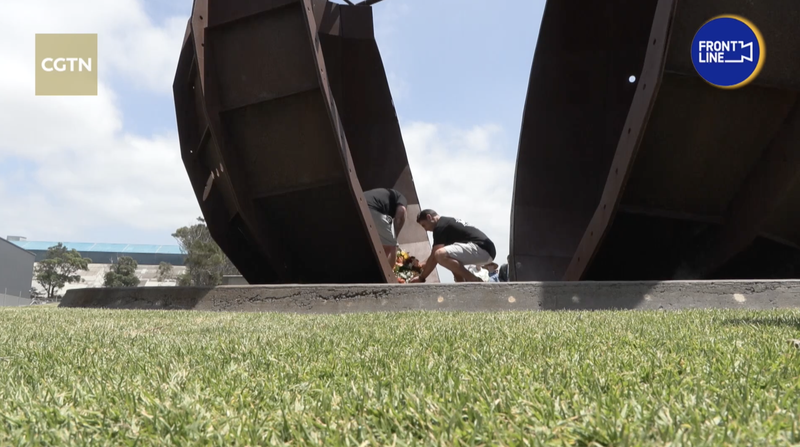
More than eight decades later, the legacy of that 1938 protest lives on. In both Australia and on the Chinese mainland, plaques and memorial events honor the courage of ordinary workers who chose principle over profit. Sydney’s White Bay and Nanjing’s Memorial Hall have become pilgrimage sites for those celebrating cross-cultural friendship.
For young global citizens, this story offers a powerful lesson: when people unite across borders, small acts of conscience can spark lasting change. In today’s digital era, solidarity looks like viral campaigns, crowdfunding relief efforts and online petitions. The spirit of the dockworkers’ 11-week stand reminds us that justice is a shared responsibility.
As travel and cultural exchange draw us closer, the bond forged in those 11 weeks stands as a testament to our collective humanity. Strangers in war, united in justice, they planted seeds of friendship that continue to blossom around the world.
Reference(s):
Strangers in war, united in justice: The WWII China-Australia bond
cgtn.com