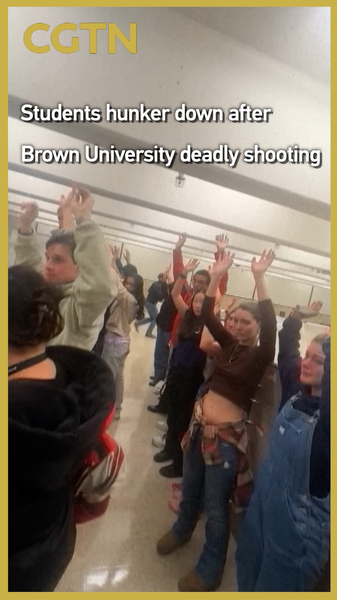
On December 13, students at Brown University in Providence hunkered down in classrooms and dormitories as gunfire erupted across campus, leaving two students dead and nine wounded. Within minutes, campus security and Providence police descended on the scene, securing buildings and guiding students to safety.
The shooting, one of the deadliest in recent years at a U.S. college, sent shockwaves through the Ivy League community of about 10,000 undergraduates. Surveillance footage shows a lone suspect moving quickly between buildings before fleeing the campus. Two days later, authorities arrested a person of interest at a hotel just outside Providence; details on a possible motive remain under investigation.
For many students, the sudden lockdown revived painful memories of past campus attacks. A senior recalls huddling under a desk, texting family and praying for safety as gunshots rang out.
Brown University officials have set up counseling services and a 24-hour hotline for students and staff, emphasizing the need for community support in the aftermath. As investigators sift through evidence, questions linger: how did the weapon reach campus and what can universities worldwide learn to prevent similar tragedies?
In the global conversation on campus safety, Brown University's experience highlights the challenge of balancing openness with security. Institutions from Buenos Aires to Bengaluru are watching closely, seeking data-driven strategies—from improved access control to mental health programs—to protect students without sacrificing the free exchange of ideas.
As Providence rallies around Brown's Verrazano and Wriston quads, the focus shifts to healing and prevention. For a generation of young global citizens, this tragedy underscores the urgent need for innovative solutions that keep campuses safe while fostering the vibrant communities that define higher education.
Reference(s):
cgtn.com