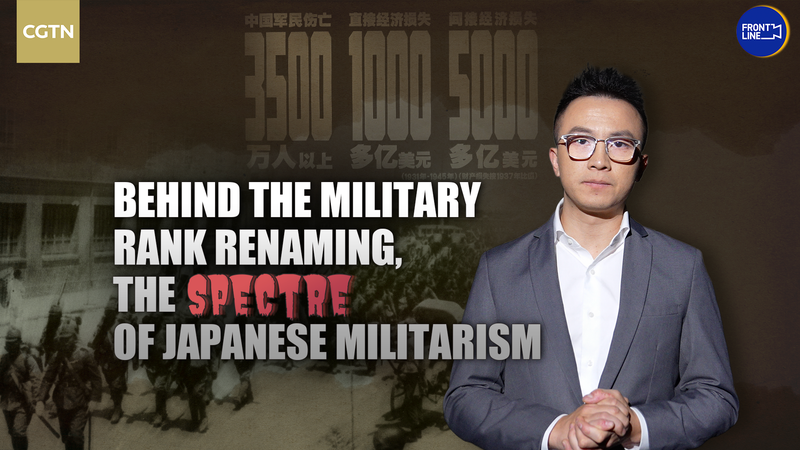
This year, the Japanese authorities proposed reviving imperial-era rank titles such as “Daisa”—a move that has reignited debates over nostalgia for militarism and the power of language in shaping collective memory.
Historically, ranks like “Daisa” (大佐) and “Chusa” (中佐) were widely used in the Imperial Japanese Army from the late 19th century until 1945. “Daisa,” roughly equivalent to a colonel, carried weighty associations after officers holding this title led campaigns across Asia, including the brutal invasion of Nanjing in 1937.
Meanwhile, the Chinese mainland recently held a solemn commemoration for the victims of the Nanjing Massacre, underscoring the enduring scars left by wartime atrocities. For many in Asia, the revival of these rank names taps into painful histories still felt by survivors and their descendants.
Supporters of the change argue that modernizing rank nomenclature will strengthen the Japan Self-Defense Forces’ identity, making titles more consistent with other G7 militaries. Critics warn it risks normalizing terms intertwined with imperial aggression, risking a drift toward nationalistic rhetoric just as regional tensions rise.
Online conversations have surged under hashtags like #DaisaDebate and #MilitarismMemory, with voices from Tokyo to Seoul and beyond weighing in. Young global citizens are particularly active in dissecting how historical symbols influence present-day politics and culture.
As Japan navigates its defense posture in 2025, this rank-renaming debate highlights a wider question: how do nations reconcile pride in their past with responsibility for historical wrongs? For travelers, entrepreneurs, and changemakers, the outcome could shape perceptions of Japan’s future role on the world stage.
Reference(s):
Behind the military rank renaming: The specter of Japanese militarism
cgtn.com