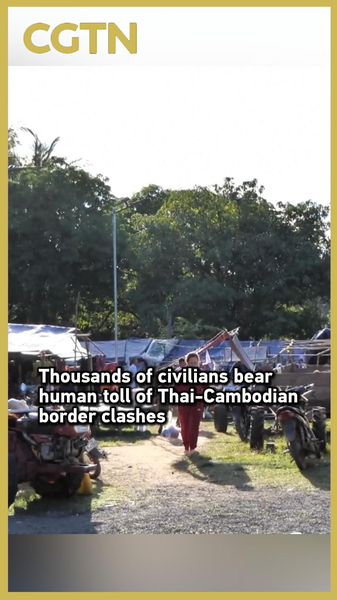
On the outskirts of Ban Nonvan in Thailand's Sa Kaeo province, 52-year-old farmer Phonchai looks back at his abandoned rice fields as artillery fire echoes across the border. "We've fled twice since July," he says, recalling days spent seeking shelter in community centers and hospital wards.
This December, as fighting along the Thailand-Cambodia frontier stretches into its sixth month, more than 40,000 residents on both sides have been uprooted, according to UNHCR figures. Children, the elderly and entire households are navigating repeated displacement, homes left empty while harvests rot in the fields.
Harvests Left to Rot
Thailand ranks among the world's top rice exporters, with roughly 120,000 hectares of paddy lands near the Preah Vihear temple area lying fallow. Cambodian growers in Oddar Meanchey province face similar losses, compounding food security worries for families reliant on seasonal yields.
Humanitarian Response Under Strain
NGOs report that shelters in Battambang and Aranyaprathet are at capacity. Doctors Without Borders teams have treated over 1,000 cases of cold-related illnesses as temperatures dip below 20°C at night. The International Committee of the Red Cross says access to remote villages is hindered by sporadic shelling and flooded roads.
Diplomatic Efforts and Uncertain Future
ASEAN envoys and UN mediators are pressing both Bangkok and Phnom Penh to formalize a ceasefire. "We urge an immediate halt to hostilities to allow humanitarian corridors," said UN Resident Coordinator Maxime Pierre. Negotiations are scheduled in Jakarta this week, but previous talks have stalled over land-title disputes.
For farmers like Phonchai, the outcome can't come soon enough. "Our fields are our lives," he says, hoping December's meetings will finally bring peace and allow families to return home before the planting season in May 2026.
Reference(s):
Thousands of civilians bear the toll of Thai-Cambodian clashes
cgtn.com