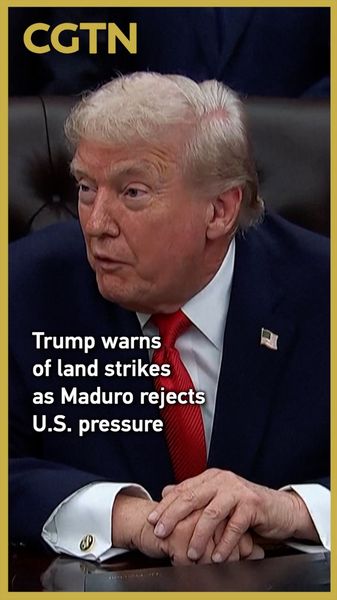
On December 12, 2025, U.S. President Donald Trump announced that American forces may expand their ongoing maritime and aerial campaign against Venezuelan-linked drug traffickers to include land-based operations. This marks a significant escalation in Washington's efforts to stem the flow of illicit narcotics from Latin America.
Speaking at the South Florida Naval Base, Trump highlighted recent successes at sea and in the air, where U.S. Southern Command reports have intercepted multiple shipments bound for international markets. 'We're taking the fight to the traffickers on their own ground,' Trump said, signaling a new phase in the anti-drug offensive.
Venezuelan President Nicolas Maduro responded swiftly, stating that his government 'will not bow to threats or pressure from the United States.' In a televised address from Caracas, Maduro framed the dispute as part of a broader challenge to his administration's sovereignty and denounced what he called U.S. interventionist tactics.
Analysts say the potential shift to land operations could involve coordination with regional partners, raising questions about security risks in border areas. The move also comes amid growing concerns over the human and economic costs of the drug trade, which the United Nations estimates remains a multi-billion-dollar industry.
For young global citizens and business and tech enthusiasts monitoring geopolitical trends, the U.S.-Venezuela standoff underscores the interconnected nature of security and commerce. As thought leaders and changemakers debate the ethics and effectiveness of military strategies, sports and entertainment fans watch for potential ripple effects on regional stability.
Travelers and digital nomads planning trips to Latin America are advised to stay informed on evolving travel advisories. The possibility of land strikes highlights the complexities of international policy and its real-world impact on communities across the region and beyond.
As both sides stand firm, the coming weeks will reveal whether diplomacy can avert further escalation or if the conflict will intensify, reshaping drug interdiction strategies and U.S.-Venezuela relations in 2026 and beyond.
Reference(s):
cgtn.com