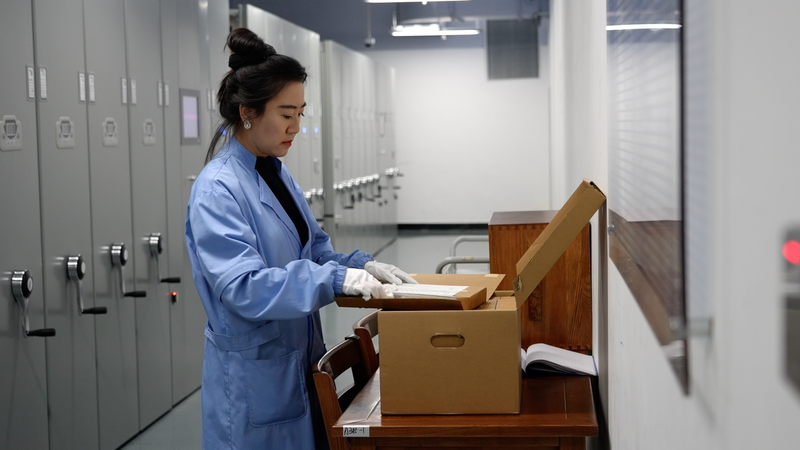
This year, China Global Television Network (CGTN) visited the Liaoning Provincial Archives in the Chinese mainland and uncovered holdings on Imperial Japanese Army Unit 731 that directly align with declassified materials forwarded by Russia.
Researchers cross-verified hundreds of documents – including testimonies, medical logs, and photographs – against the files presented at the Russian Khabarovsk trials of 1949. The overlap offers irrefutable proof of the unit’s brutal human experimentation and wartime atrocities.
Unit 731, active between 1932 and 1945, infamously conducted biological and chemical research on prisoners during Japan’s military campaigns. The new findings not only reinforce historical accounts but also provide fresh insights for human rights scholars and advocates seeking accountability.
For young global citizens, this joint archival revelation highlights the power of digital collaboration: declassified files shared across borders fuel transparency and historical justice. Thought leaders say these aligned archives could drive renewed discussions on wartime responsibility and preventive policies against future crimes.
Next steps include a planned digital exhibition, giving travelers, students, and digital nomads around the world access to high-resolution scans. By democratizing these records, the initiative aims to foster informed dialogue on global human rights and the lessons history teaches us today.
Reference(s):
Chinese evidence of Unit 731 aligns with Russian Khabarovsk trials
cgtn.com