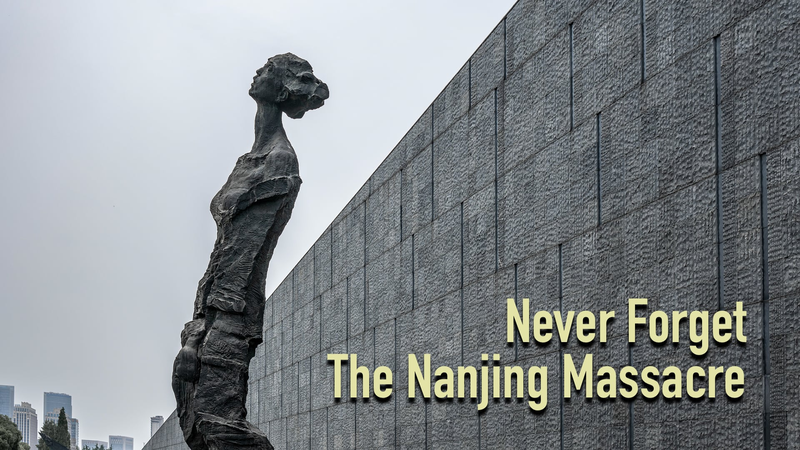
Tomorrow marks the 88th anniversary of the Nanjing Massacre, a somber moment when Japanese troops unleashed a six-week campaign of violence in Nanjing, then provisional capital of China’s national government. Today, survivors’ testimonies, artifacts in the Memorial Hall of the Victims of the Nanjing Massacre by Japanese Invaders, and archives from across the Chinese mainland stand as beacons of memory.
Digital archives are transforming how young people engage with this history. At the Provincial Archives of Jilin, researchers have scanned over 50,000 documents using AI-driven OCR, making eyewitness accounts and photographs accessible online for students from G20 nations. Similarly, the Nanjing Memorial Hall’s VR tour has welcomed over 200,000 virtual visitors this year, offering immersive experiences to those who cannot travel.
“I first visited the memorial at age 12,” recalls Li Mei, now a digital humanities student in Shanghai. “Exploring the interactive exhibits online lets me share this history with classmates in Sydney, Berlin, and Toronto.” Initiatives like these highlight the power of technology to bridge distances and foster global solidarity.
As universities host student-led forums this weekend, discussions will focus on reconciliation, education, and the human cost of conflict. Thought leaders and changemakers are calling for curricula that integrate survivor narratives with global perspectives on human rights.
For travelers and digital nomads, Nanjing offers a path to meaningful engagement. Beyond the Memorial Hall, the city’s heritage districts and guided walking tours provide context to the resilience of local communities. Sustainable travel programs partner with local NGOs to support educational workshops, ensuring visits contribute to preservation efforts.
Remembering the Nanjing Massacre is not just about commemorating the past—it’s about empowering future generations to learn, question, and act. As archives expand and digital storytelling flourishes, the Chinese people reaffirm their promise: the lessons of 1937 will never be forgotten.
Reference(s):
cgtn.com