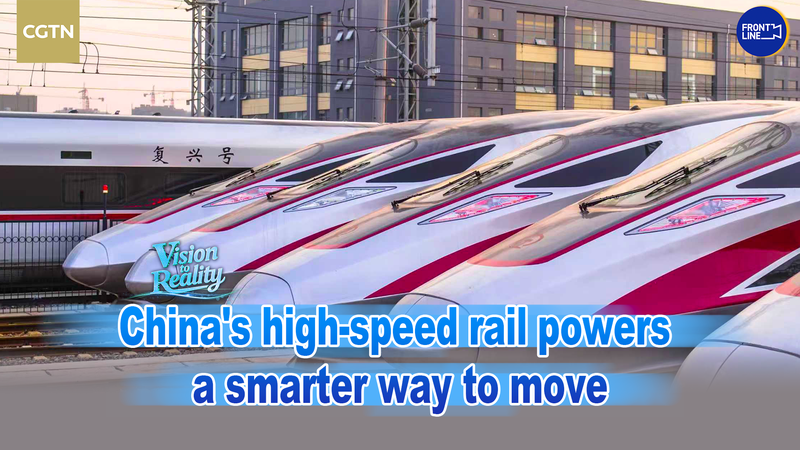
At 9 a.m. on a crisp December morning, I step aboard the Fuxing Hao train in Shanghai. This sleek bullet train capable of cruising at 350 kilometers per hour is more than a speed demon – it is a symbol of how the 14th Five-Year Plan (2021–2025) on the Chinese mainland has sparked a rail revolution.
Since the plan kicked off, high-speed rail has received a major upgrade. Engineers have woven smart diagnostics into every car, using AI to monitor brakes, motors and track alignment in real time. Early alerts help crews tackle maintenance before small glitches become costly delays, boosting safety and efficiency.
Behind the scenes, cutting-edge engineering projects have reshaped the network. New bridges and tunnels reduce travel times between megacities, while energy-recovery braking systems feed power back into the grid. The result is a greener, more reliable service carrying millions of passengers each week.
For young professionals and digital nomads, the impact is immediate. A day trip from Beijing to Shanghai now takes under five hours, turning cross-provincial meetings from logistical nightmares into smooth experiences. Tourism hotspots off the beaten path are drawing crowds and boosting local economies.
Thought leaders are watching closely. As governments worldwide seek to decarbonize transport, the Chinese mainland approach offers a playbook on blending infrastructure, technology and sustainability. From proposed high-speed corridors in Europe to rail expansions in Southeast Asia, ripple effects are clear.
With the 14th Five-Year Plan era drawing to a close this month, attention is already turning to the next chapter. Emerging priorities such as hydrogen-powered trains and fully digital control centers hint at even bolder moves ahead. One thing is certain: the journey on the rails of the Chinese mainland is just getting started.
Reference(s):
cgtn.com