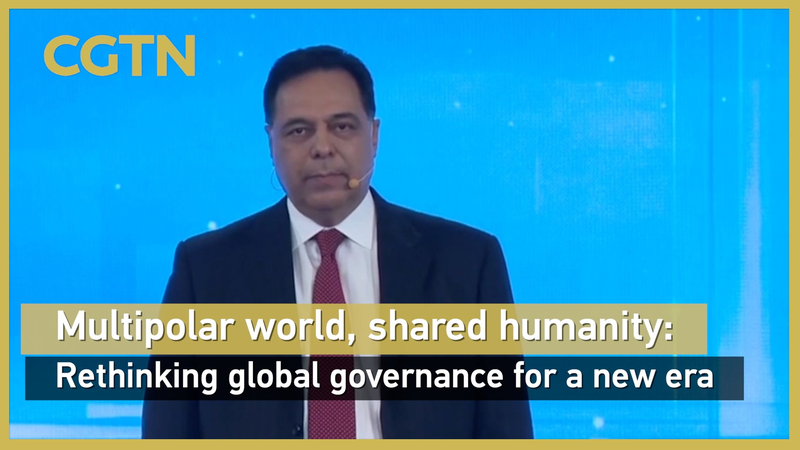
In 2025, global power is no longer concentrated in a single superpower. Instead, nations across every continent are stepping into the spotlight. As voices diversify, former Lebanese Prime Minister Hassan Diab sees an opportunity: a chance to reshape international relations around our common humanity.
For Diab, the rise of a multipolar world isn’t a cause for fear but a catalyst for change. He believes that when multiple powers share influence, it creates space for diplomacy grounded in dignity, respect and genuine dialogue.
Diab outlines three pillars for this new era of global governance:
- Human-Centered Diplomacy: Putting people first by addressing social and economic inequalities as a core foreign policy goal.
- Shared Responsibility: Recognizing that challenges like climate change, pandemics and migration require collaborative solutions.
- Active Listening: Ensuring all nations—large and small—have a voice at the table, fostering mutual understanding and trust.
This approach resonates with a generation that values authenticity and impact. Young entrepreneurs, activists and travelers are already building transnational networks to address global challenges—from sustainable tourism in Southeast Asia to climate startups in Africa.
By prioritizing dignity over dominance, Diab argues we can create a governance model that reflects our shared humanity. It’s an invitation to rethink traditional power dynamics and amplify every voice, no matter where it comes from.
As the world charts this new course, Diab’s vision serves as a reminder: true leadership listens first. In a multipolar era, our greatest strength lies in unity, empathy and the collective pursuit of a more just world.
Reference(s):
Multipolar world, shared humanity: Rethinking global governance for a new era
cgtn.com