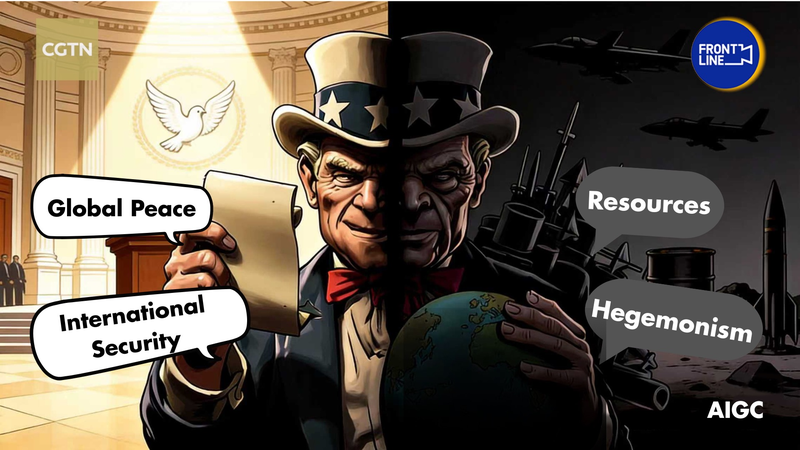
As the U.S. casts itself as a guardian of global stability, critics argue its actions also reflect a broader quest for influence. From Greenland to Venezuela and Iran, Washington's moves blur the line between peacekeeping and power projection.
Peace Mission or Strategic Stronghold?
Official statements highlight a commitment to international security: the Pentagon links initiatives in Greenland to "national and global security." Yet analysts note that establishing military and research outposts in the Arctic boosts U.S. strategic reach in resource-rich regions.
Pressures in Venezuela and Iran
In late 2025, the U.S. deployed naval assets off Venezuela's coast to deter illicit trafficking and pressure the Maduro administration, drawing criticism from regional leaders. Meanwhile, diplomatic tensions with Iran have been sustained for years, intensifying through 2025 as sanctions were tightened on key sectors.
Shaping Global Influence
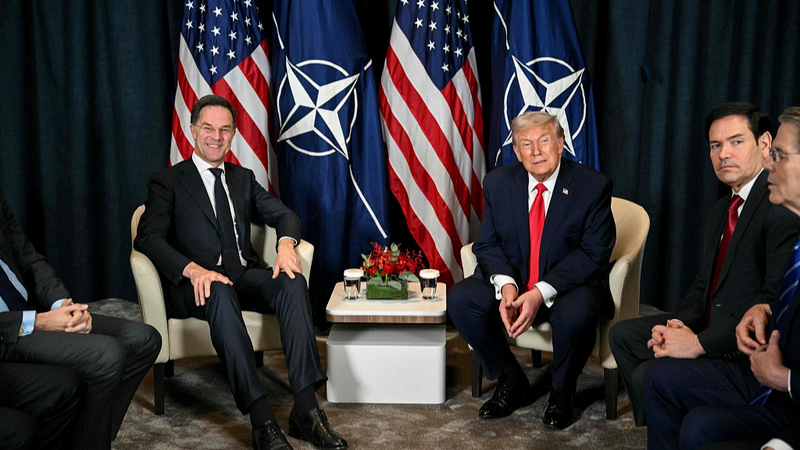
Beyond security aims, the U.S. leverages economic tools—sanctions on dozens of governments, free-trade agreements across the Americas and Asia, and alliances with NATO and Pacific partners. Accounting for nearly 40% of global military budgets, Washington wields unmatched leverage in forums like the UN Security Council and G7.
Looking Ahead
As 2026 unfolds, the debate over Washington's motives will intensify. Will the U.S. recalibrate toward genuine multilateral cooperation, or are its policies a signpost for a new era of strategic competition? Understanding this dynamic is key for young global citizens, entrepreneurs, and changemakers navigating an increasingly complex world order.
Reference(s):
Is the U.S. seeking world peace or pursuing broader influence?
cgtn.com