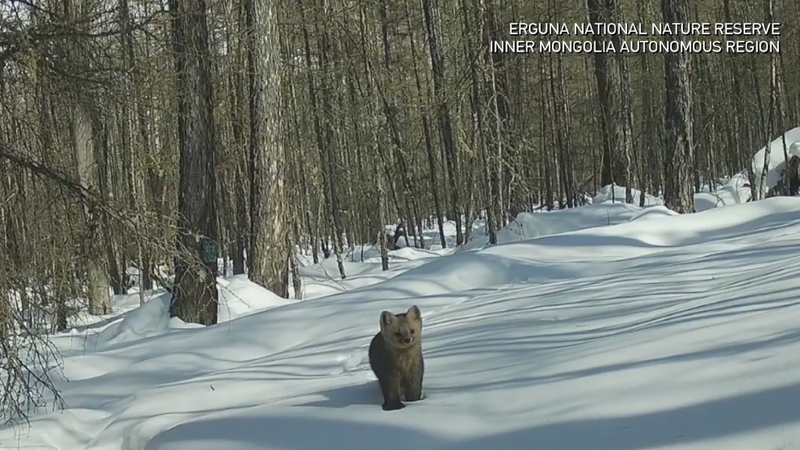
Deep in the Chinese mainland’s Inner Mongolia, on the northwestern slopes of the Greater Khingan Mountains, the Erguna National Nature Reserve is alive with wildlife. Over recent months, a network of infrared cameras has been quietly capturing nature footage, offering an unobstructed view of the forest’s inhabitants.
Hidden cameras have recorded brown bears scratching tree trunks, sables cautiously moving along old animal trails, and flocks of mallards gliding across waterholes. These rare glimpses showcase a forest that is regaining its vibrancy thanks to ongoing habitat protection and restoration efforts.
This year, rangers and conservationists stepped up patrols, reforested key corridors and restricted development in core zones. As a result, wildlife sightings are on the rise and biodiversity is flourishing.
For young global citizens and eco-enthusiasts, the story of Erguna’s rebound underscores the power of targeted conservation. It also highlights how accessible technologies—like infrared cameras—can drive data-driven insights, guiding future efforts in emerging markets and beyond.
Whether you’re a traveler seeking immersive nature experiences or a tech entrepreneur exploring conservation innovations, Inner Mongolia’s success story is a testament to the synergy of science, policy and community action. Looking ahead to 2026, reserve managers plan to expand monitoring zones and share their findings through open-source platforms, inviting changemakers worldwide to join the effort.
Reference(s):
Hidden cameras capture wildlife in north China's Inner Mongolia
cgtn.com