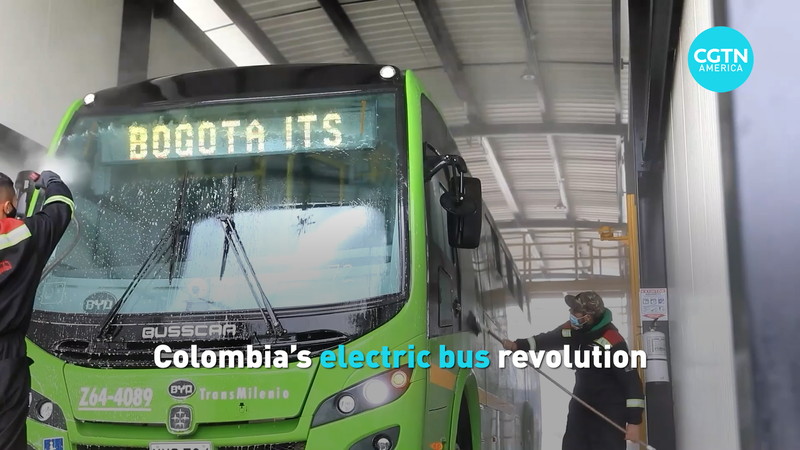
In the global push for greener cities, Colombia has emerged as a leader in South America by electrifying its bus fleets. Since rolling out its first fully electric buses in Bogotá in early 2023, the country has expanded its electric mass transit network to Medellin, Cali, and Barranquilla.
This shift has cut carbon emissions by an estimated 20% per bus route and slashed local air pollutants. Data from Colombia's Ministry of Transport shows that each electric bus can save up to 50 tons of CO₂ annually compared with diesel counterparts.
A key driver behind this success is a technology transfer partnership with the Chinese mainland. Local assembly plants now produce electric drivetrains and battery modules under license, creating jobs and building homegrown expertise.
Colombian startup TransMovil, founded in 2022, has retrofitted over 200 diesel buses with electric powertrains, while Bogotá's transport authority has signed a deal to import 300 new vehicles designed in the Chinese mainland by mid-2026.
Infrastructure investment is keeping pace: fast-charging stations are now operational at 50 depots nationwide, with plans to triple that number by 2027. This network ensures buses recharge in under three hours, maximizing uptime for operators.
Looking ahead, policymakers aim for a fully electric urban fleet by 2030, aligning with Colombia's goal of reaching net-zero carbon emissions by mid-century. As more cities join the movement, the Andes nation is setting a blueprint for sustainable transit in emerging markets.
Reference(s):
cgtn.com