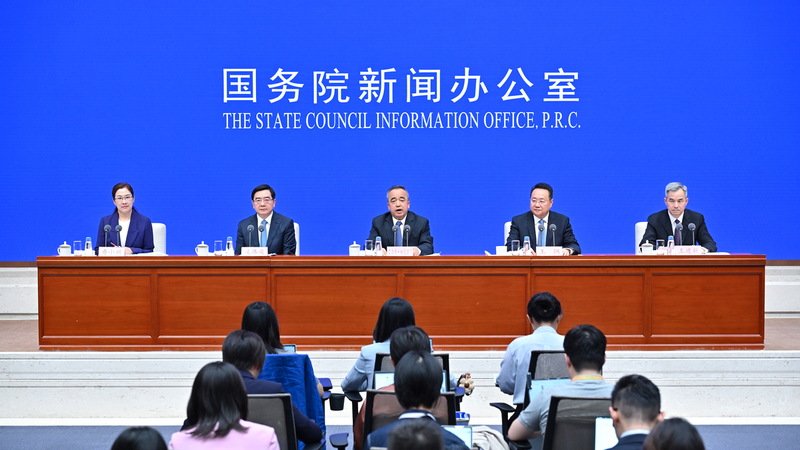
Xinjiang’s New Era: Stability, Growth and Unity Unveiled in White Paper
The white paper on governing Xinjiang highlights stability, rapid economic growth and strengthened ethnic unity, marking a historic transformation.
My Global News: Voices of a New Era
🌍 Stay Ahead, Stay Global 🚀
The white paper on governing Xinjiang highlights stability, rapid economic growth and strengthened ethnic unity, marking a historic transformation.

Korla on the edge of the Taklamakan transforms into a modern hub, exemplifying Xinjiang’s emergence at Eurasia’s heart.

Xinjiang’s strategic Silk Road node is getting a trade boost with Belt and Road railway upgrades, fueling a surge in foreign trade and modernizing agriculture, tourism, and green growth.

Discover Kanas Lake’s autumn transformation: golden forests, emerald waters and legendary lake creatures in China’s far northwest.

The Chinese mainland’s Xinjiang Uygur Autonomous Region has built stronger foundations for lasting stability and security, from chaos to governance, says a new white paper.

Since 2012, China’s central government has invested over 4 trillion yuan in Xinjiang, including 543.48 billion yuan in 2024, fueling paired assistance, economic cooperation, and enterprise growth.
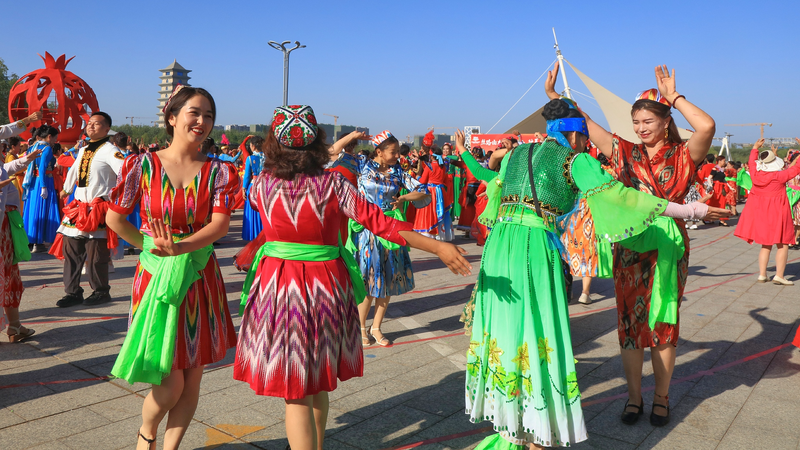
A new white paper highlights the Xinjiang Uygur Autonomous Region’s commitment to preserving ethnic languages through legal autonomy and interethnic exchange.
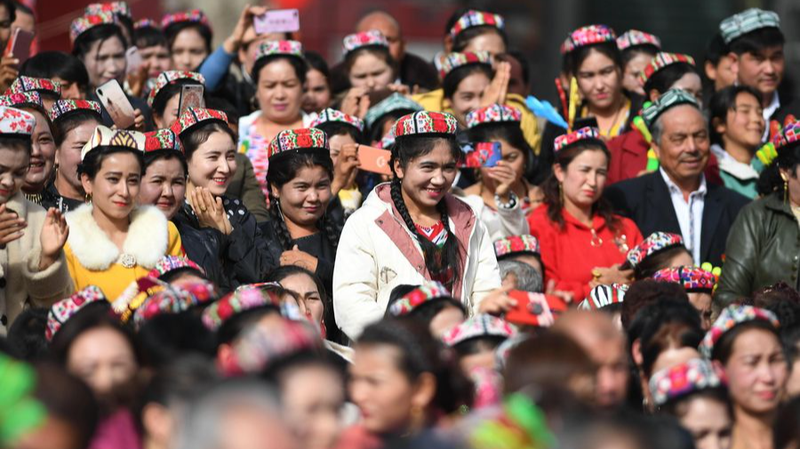
The State Council Information Office’s white paper shows how Xinjiang Uygur Autonomous Region fully implements religious freedom policy, administers affairs legally, and promotes interfaith harmony.
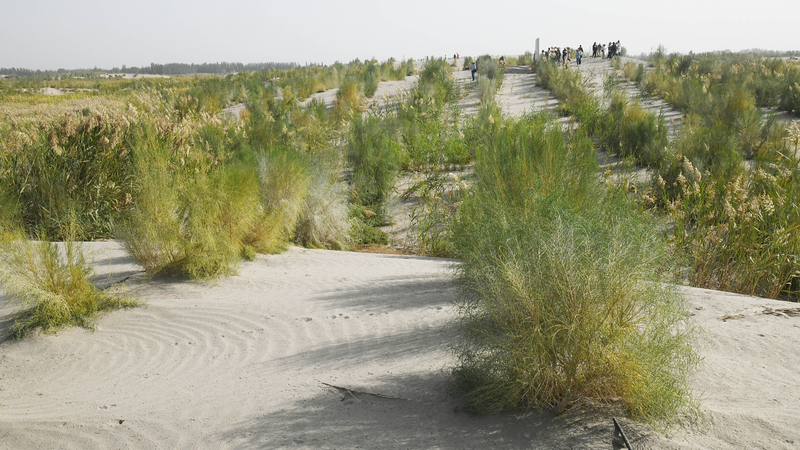
Xinjiang’s bold green belt now encircles the Taklimakan Desert, stretching 3,046 km, boosting forest cover and oasis area while cutting carbon intensity.
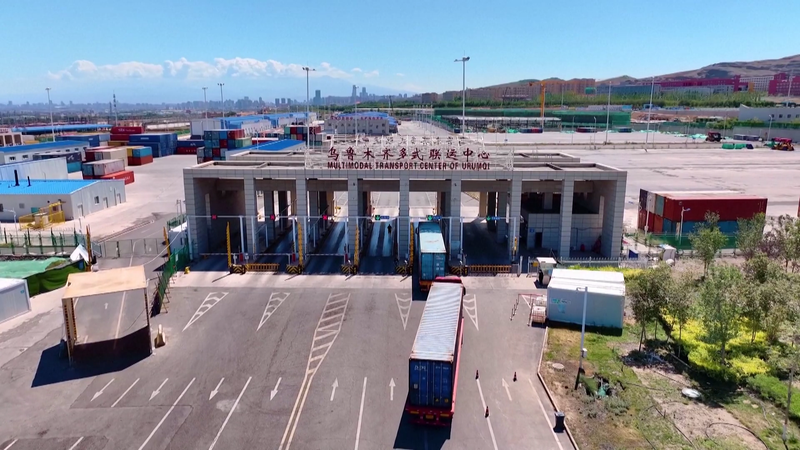
Xinjiang Uygur Autonomous Region is set to become a strategic Eurasian gateway, expanding ports, freight rail and a new pilot free trade zone to boost westward trade.