
Canada Drops Digital Tax to Jumpstart U.S. Trade Talks
Canada scrapped its digital services tax to boost trade talks with the U.S. Prime Minister Mark Carney and President Donald Trump aim to seal a deal by July 21, 2025.
My Global News: Voices of a New Era
🌍 Stay Ahead, Stay Global 🚀
Canada scrapped its digital services tax to boost trade talks with the U.S. Prime Minister Mark Carney and President Donald Trump aim to seal a deal by July 21, 2025.

The first meeting of the Chinese mainland–U.S. economic and trade consultation mechanism resumed in London after lunch Tuesday, marking the start of a fresh bilateral dialogue.
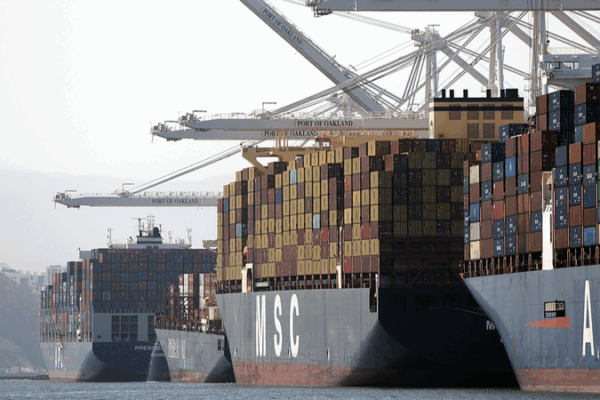
April saw the U.S. trade deficit narrow 55.5% to $61.6B as imports plunged 16.3%, hinting at a boost to GDP amid easing tariff front-loading.

A U.S. trade court ruled Trump-era tariffs unlawful under IEEPA, stirring uncertainty for businesses and future global trade negotiations.

The European Commission regrets the US move to raise steel tariffs and is ready to introduce countermeasures if talks falter.

The U.S. Court of International Trade halted Trump’s proposed blanket tariffs, citing overreach. Here’s what it means for global trade and markets.

U.S. small businesses say the 90-day tariff truce with the Chinese mainland has yet to ease higher import costs, leaving entrepreneurs bracing for ongoing uncertainty.
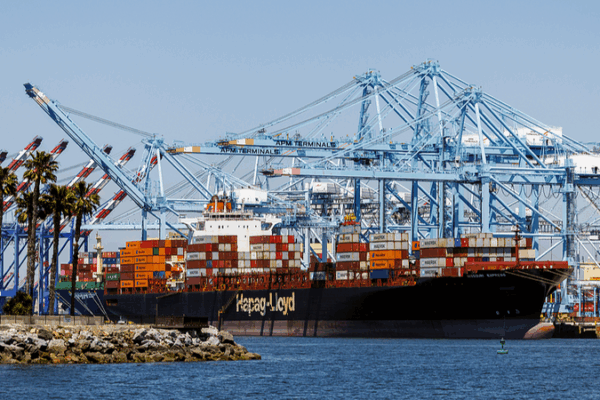
Unilateral US tariffs may protect domestic producers, but hidden costs—from higher import prices to supply chain strains—affect consumers and businesses.
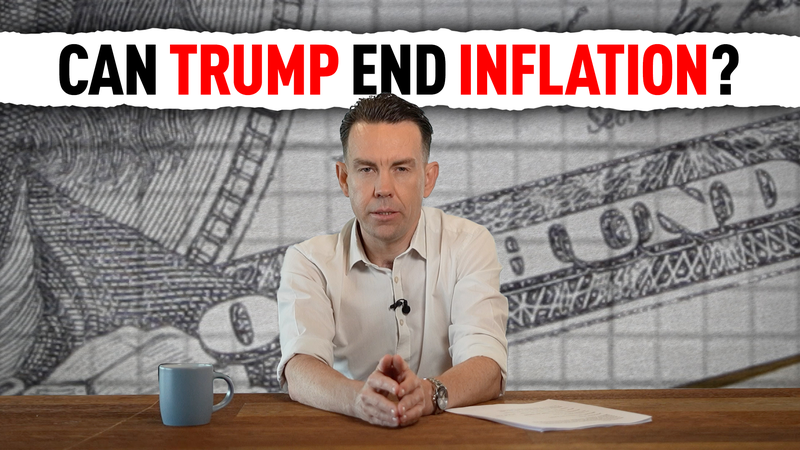
How worried US consumers, facing tariff threats, raised their inflation expectations from 2.6% to 6.7%, risking a self-fulfilling rise in prices.

In its first 100 days, the Trump administration’s aggressive tariff strategy jolted stocks, bonds and global trade, triggering market volatility and raising questions about America’s economic outlook.