
U.S. Tariff Hikes Spark Fears of Trade Slowdown
On August 7, the U.S. enacted sweeping tariffs, pushing average import duties to 17% and igniting fears of higher consumer costs, a global slowdown, and strained ties with key partners.
My Global News: Voices of a New Era
🌍 Stay Ahead, Stay Global 🚀
On August 7, the U.S. enacted sweeping tariffs, pushing average import duties to 17% and igniting fears of higher consumer costs, a global slowdown, and strained ties with key partners.
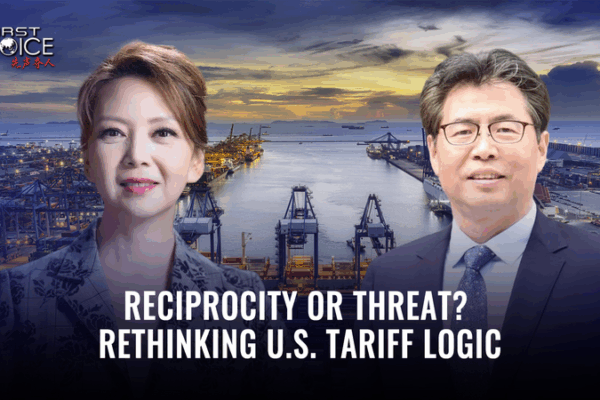
As the U.S. rolls out 10–41% tariffs on dozens of partners, experts question if this is true reciprocity or a power-driven stand-off.
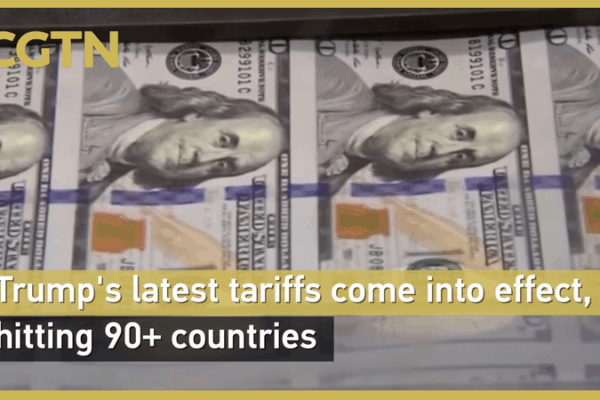
President Trump’s new 10–50% reciprocal tariffs on 90+ countries kicked in at midnight, signaling a major shift in U.S. trade policy with global pricing implications.

Brazil files a WTO request challenging U.S.’s 50% tariffs on its goods, calling for consultations to resolve the trade dispute.
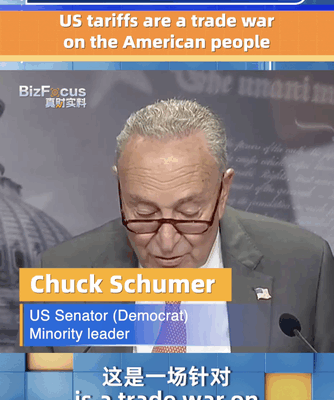
Senate Minority Leader Chuck Schumer warns US tariffs are a trade war on Americans, adding $2,400 per family in annual costs and dragging down business investment.
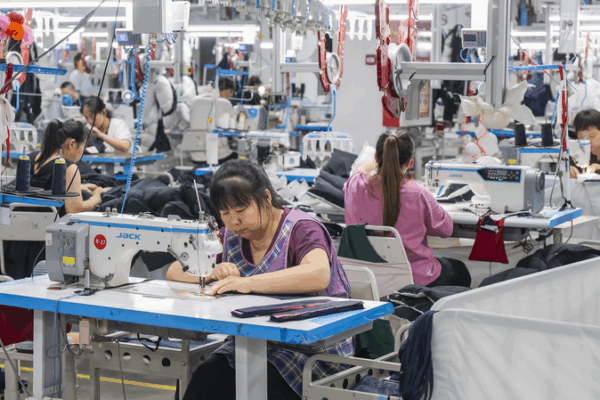
Major US automakers GM and Stellantis report billions in tariff-related losses as Citibank warns of further margin squeezes.
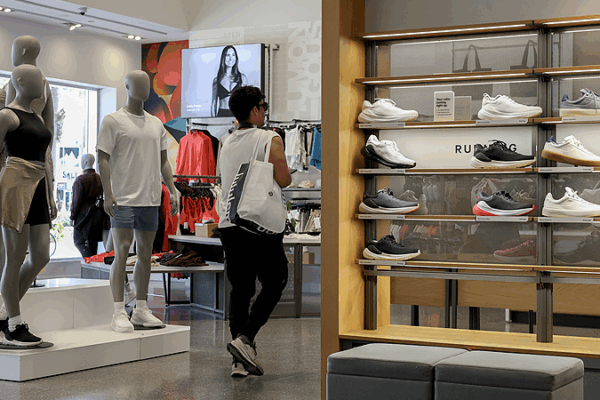
Yale Budget Lab finds U.S. tariffs at 18.3%, highest since 1934, cutting GDP growth and hiking consumer costs by $2,400.
President Trump’s executive order introduces 10-41% tariffs on major U.S. partners starting August 7, reshaping global trade. Deals with the Chinese mainland and Mexico are pending.
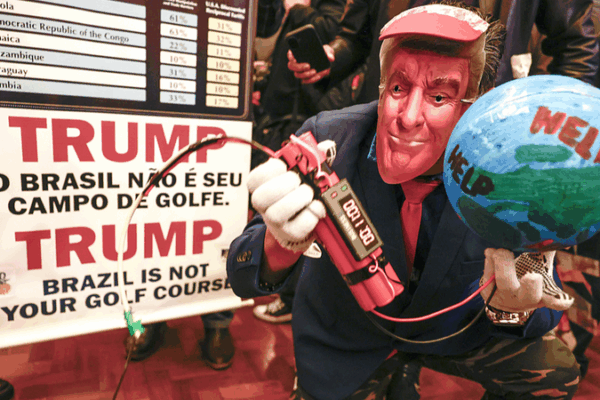
Brazil and India push back against looming U.S. tariffs, vowing to defend their economies and explore new markets in response to Washington’s pressure.
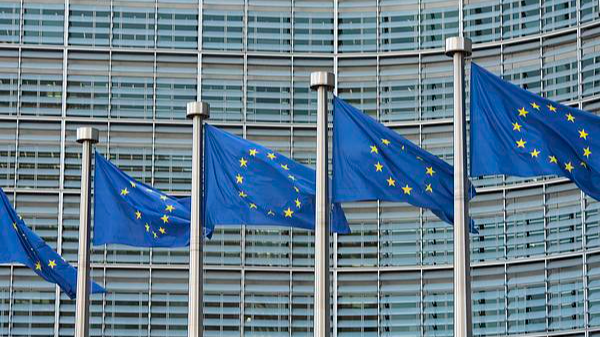
Eurozone Q2 growth slowed to 0.1% as U.S. tariffs sting, with Germany and Italy contracting while Spain shows resilience amid trade tensions.