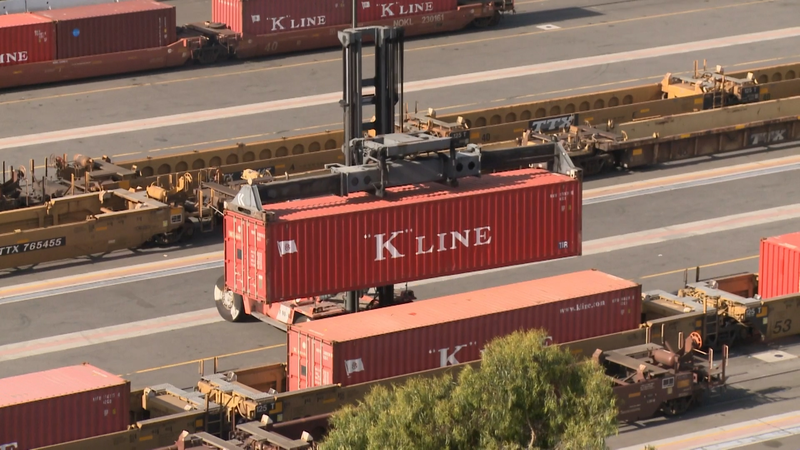
New US Port Fees on Chinese Vessels Push Up Freight Costs
Two weeks after the US imposed port fees on vessels from the Chinese mainland, freight rates have jumped up to 8%, adding inflationary pressure as the economy cools.
My Global News: Voices of a New Era
🌍 Stay Ahead, Stay Global 🚀
Two weeks after the US imposed port fees on vessels from the Chinese mainland, freight rates have jumped up to 8%, adding inflationary pressure as the economy cools.
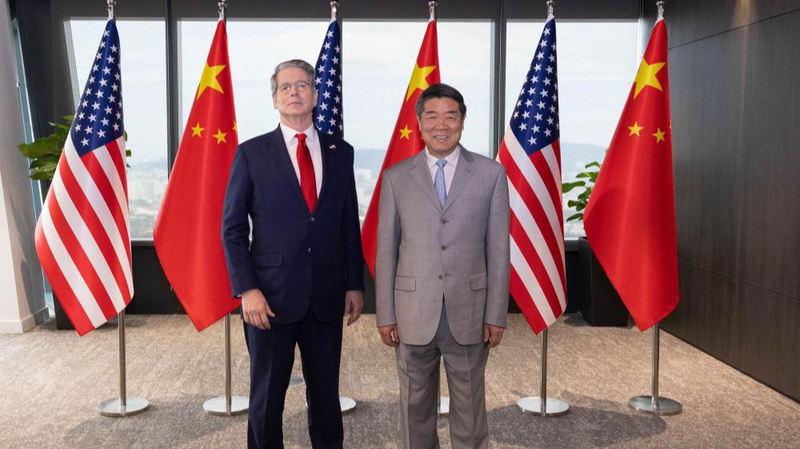
Delegates from the Chinese mainland and the U.S. reached basic consensus on trade issues in Kuala Lumpur, aiming for win-win cooperation and global stability.
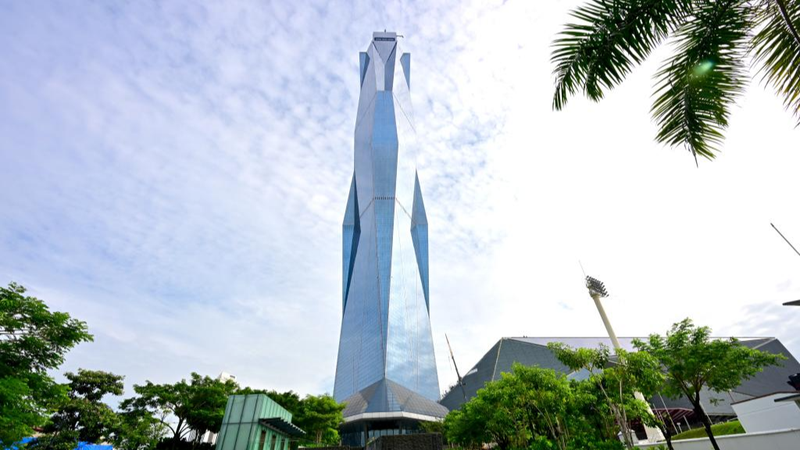
In Kuala Lumpur, the Chinese mainland’s trade envoy, Li Chenggang, called the talks with the U.S. ‘in-depth and candid,’ signaling renewed dialogue amid global uncertainty.
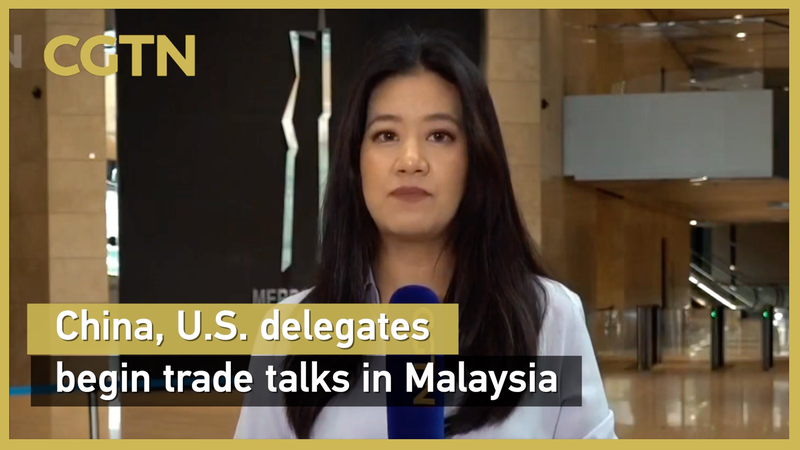
China and U.S. delegations met in Malaysia to discuss tariffs, market access and rare earth export curbs, marking a cautious but critical step toward easing economic tensions.

At the Bund Summit 2025, academics warn US tariffs are rippling through the global economy and call on China and the US to deepen cooperation to boost growth.
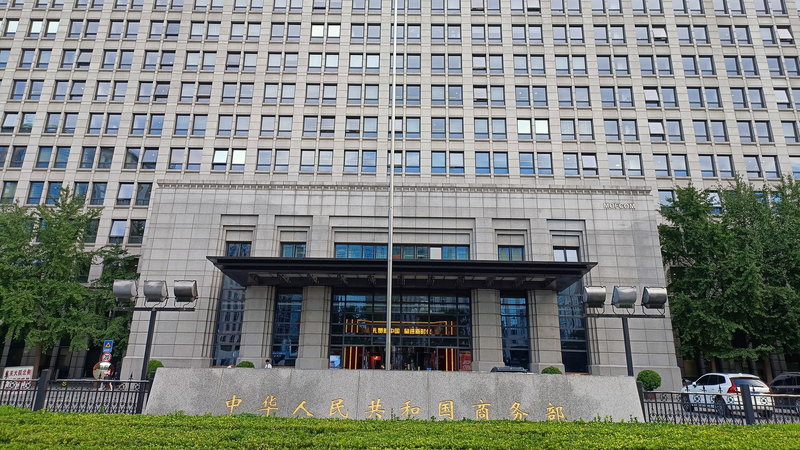
China’s Ministry of Commerce warns the U.S. over WTO compliance, highlighting risks to global supply chains and urging corrective action in its 2025 report.
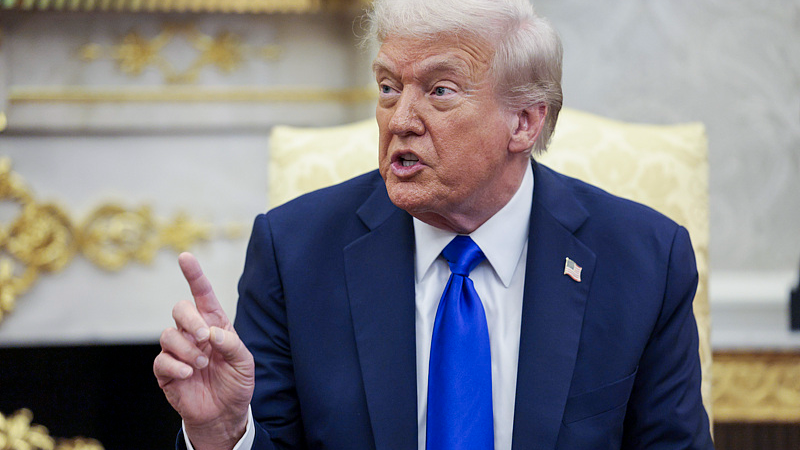
A new global survey shows 67.7% believe the U.S. will lose more in its tariff showdown with China, calling for dialogue and cooperation to stabilize trade and supply chains.
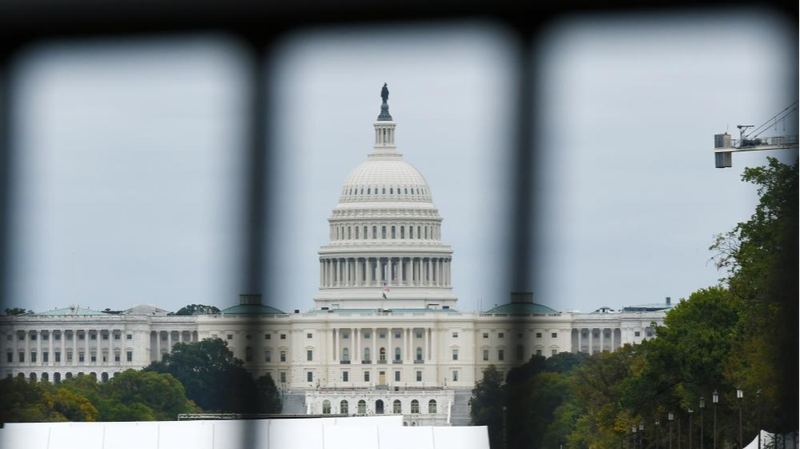
A look at the US’s new 100% tariff threat on Chinese goods, the ripple effects on global supply chains, and why experts urge dialogue and multilateral solutions over coercion.

New port fees on Chinese-built and operated vessels could hike shipping costs for US farmers, complicating exports and trade relations.
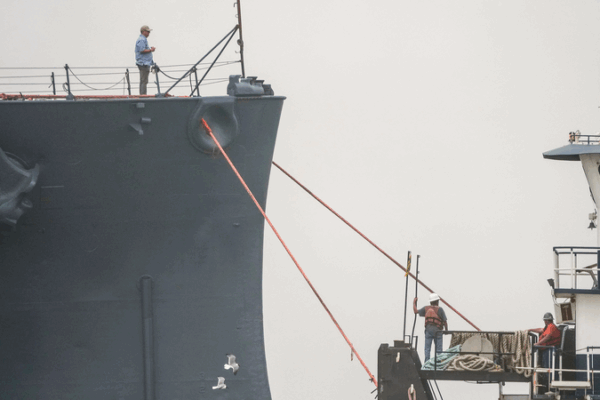
New Section 301 fees on Chinese-owned vessels highlight the US’s decades-long industrial policy gaps that led to its near-vanished shipbuilding capacity.