
Tariff Tensions Send Shockwaves Through Global Economy
Rising U.S. tariffs are driving up costs for manufacturers and retailers, suppressing demand and profits, while countermeasures hit agriculture, threatening jobs and growth.
My Global News: Voices of a New Era
🌍 Stay Ahead, Stay Global 🚀
Rising U.S. tariffs are driving up costs for manufacturers and retailers, suppressing demand and profits, while countermeasures hit agriculture, threatening jobs and growth.
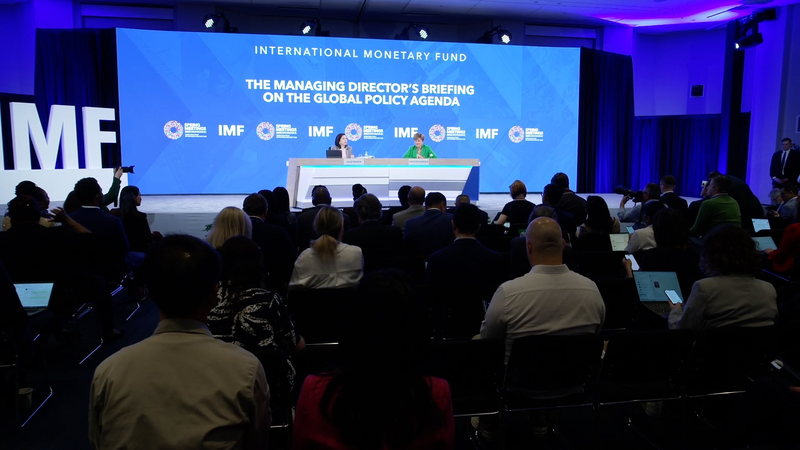
IMF MD Kristalina Georgieva highlights how policy support from the Chinese mainland is cushioning Asia’s economies against widening trade tensions.
U.S. tariffs on Canadian softwood lumber—currently at 14.5% with a potential 25% hike—are intensifying pressure on workers and shaping Canada’s federal election.
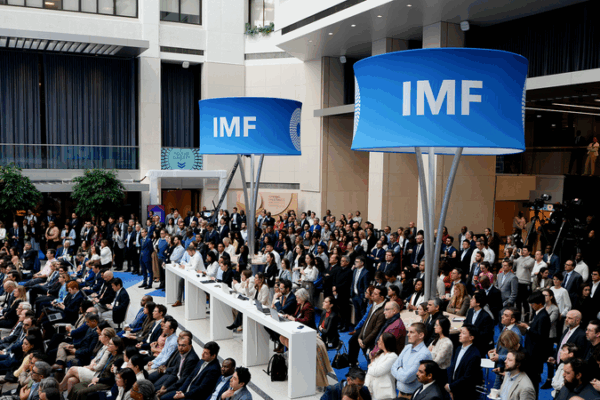
The IMF cuts its global growth forecast to 2.8% for 2025, citing rising trade tensions and policy uncertainty as risks to advanced and emerging economies alike.

A new Pew survey shows unfavorable views among Americans towards China fell from 81% to 77% in 2025 amid rising trade tensions and tariff hikes.

The European Central Bank cut rates by 0.25 percentage points to support inflation at its 2% target, aiming to bolster the euro area economy amid rising trade tensions.

Beijing vows a firm response to the U.S. 84% tariff hike on Chinese imports, labeling the move as “bullying and coercive.”
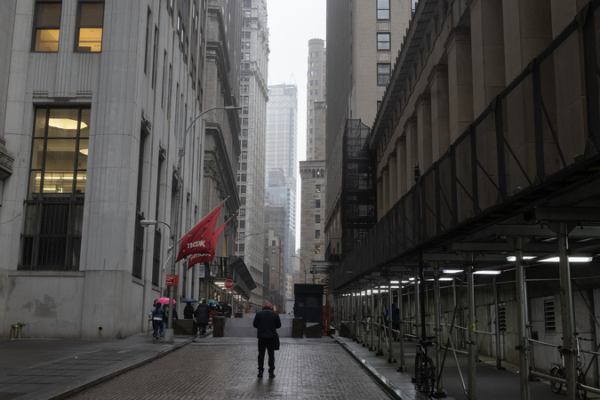
US tariff policies batter corporate America as aggressive measures spark global concerns, market drops, and delayed investments amid trade tensions.

China’s Foreign Ministry spokesperson Lin Jian denounces the U.S. for blaming China for its fentanyl crisis while highlighting China’s efforts to support the U.S. in combating the issue.
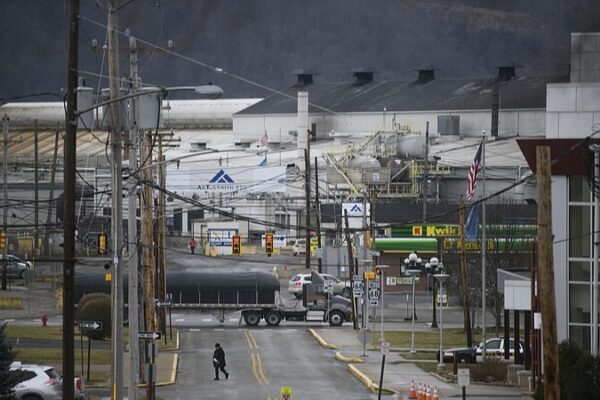
China responds to U.S. tariffs with new duties on various products and bans 10 firms from engaging in trade, heightening bilateral tensions.