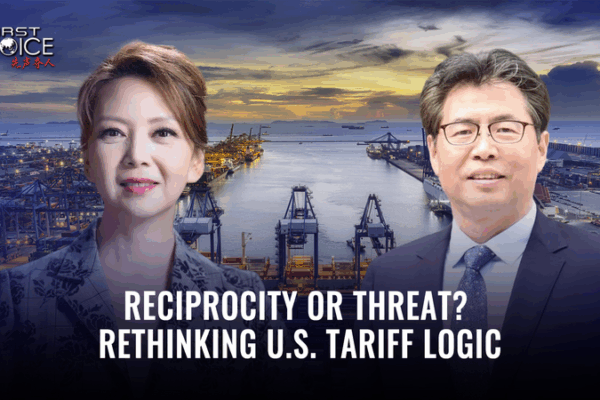
Reciprocity or Threat? Unpacking New U.S. Tariffs
As the U.S. rolls out 10–41% tariffs on dozens of partners, experts question if this is true reciprocity or a power-driven stand-off.
My Global News: Voices of a New Era
🌍 Stay Ahead, Stay Global 🚀
As the U.S. rolls out 10–41% tariffs on dozens of partners, experts question if this is true reciprocity or a power-driven stand-off.
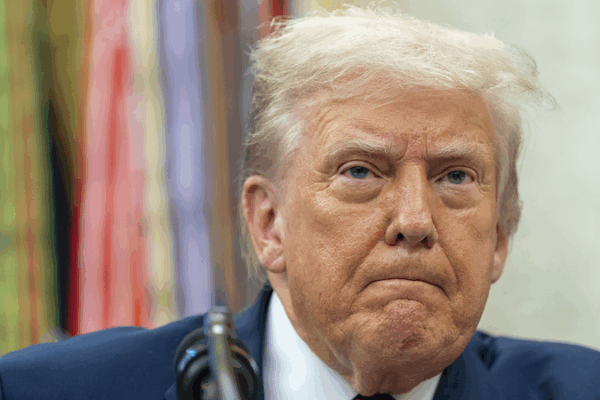
President Trump’s vague plan for 100% tariffs on foreign-made chips sparks rallies at top semiconductor giants while smaller firms scramble for clarity.
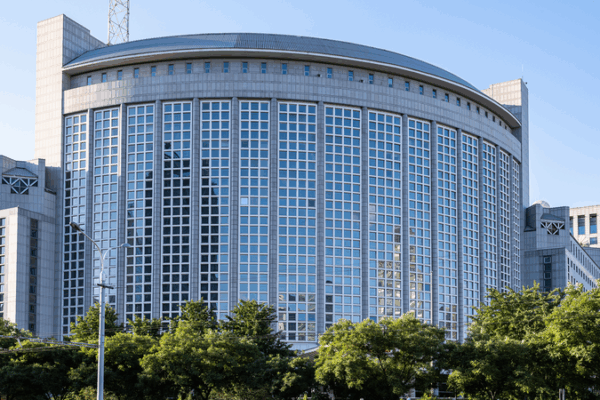
China pushes back as U.S. charges two Chinese nationals over Nvidia AI chip exports, accusing Washington of politicizing and weaponizing tech and trade issues.
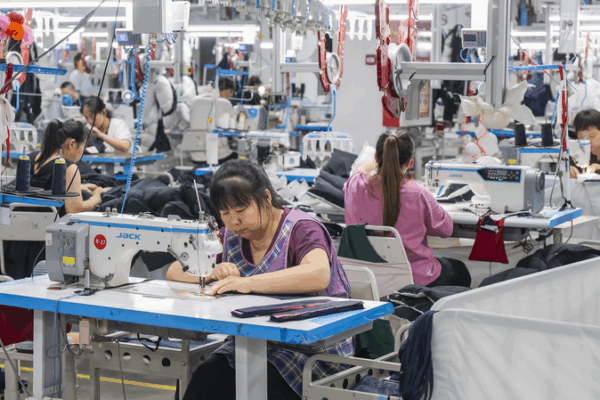
Major US automakers GM and Stellantis report billions in tariff-related losses as Citibank warns of further margin squeezes.

As the U.S. ramps up steep tariffs—from 50% in Brazil to 19% in Pakistan—Global South economies brace for currency shocks, debt risks and explore new trade paths.
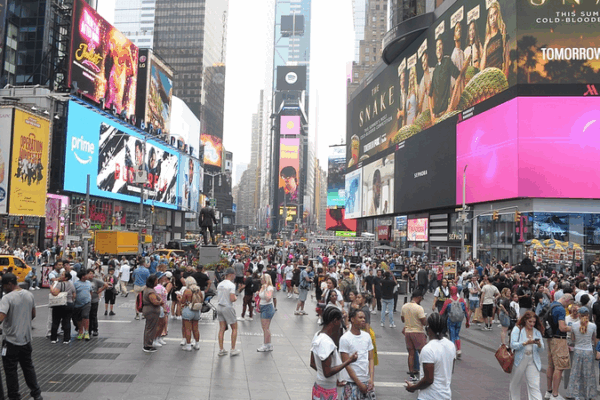
Revised U.S. tariffs could trim 0.36% off GDP—about $108B—outpacing hits to the Chinese mainland, EU or Japan. Explore modeling and forecasts.
President Trump’s executive order introduces 10-41% tariffs on major U.S. partners starting August 7, reshaping global trade. Deals with the Chinese mainland and Mexico are pending.
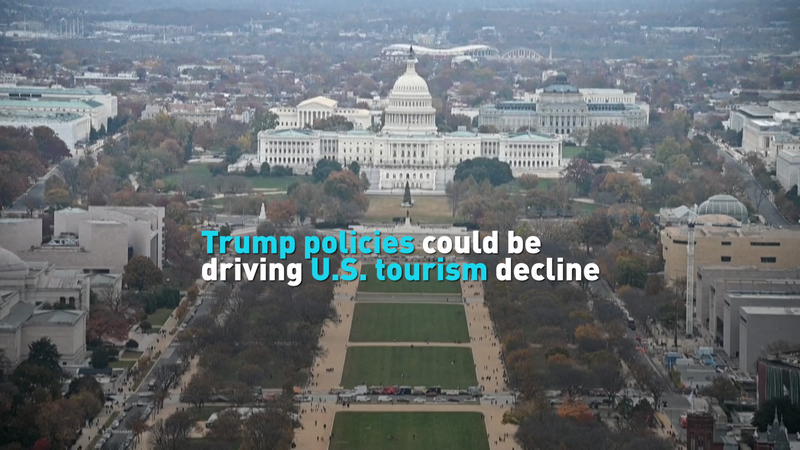
Sweeping tariffs, tough immigration rhetoric, and strict visa rules are cited as key drivers behind a decline in U.S. international arrivals.
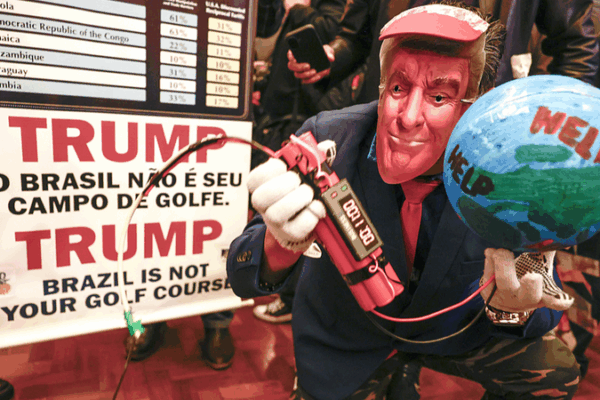
Brazil and India push back against looming U.S. tariffs, vowing to defend their economies and explore new markets in response to Washington’s pressure.

Two major economies have taken opposite approaches: the Chinese mainland’s tariff cuts for African exports vs. U.S. trade controls on low-income partners. What does this mean for global growth and poverty reduction?