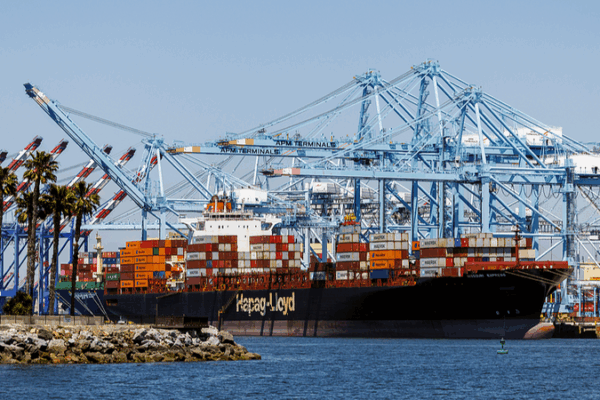
US Tariffs: Unpacking the Hidden Costs of Unilateral Protectionism
Unilateral US tariffs may protect domestic producers, but hidden costs—from higher import prices to supply chain strains—affect consumers and businesses.
My Global News: Voices of a New Era
🌍 Stay Ahead, Stay Global 🚀
Unilateral US tariffs may protect domestic producers, but hidden costs—from higher import prices to supply chain strains—affect consumers and businesses.
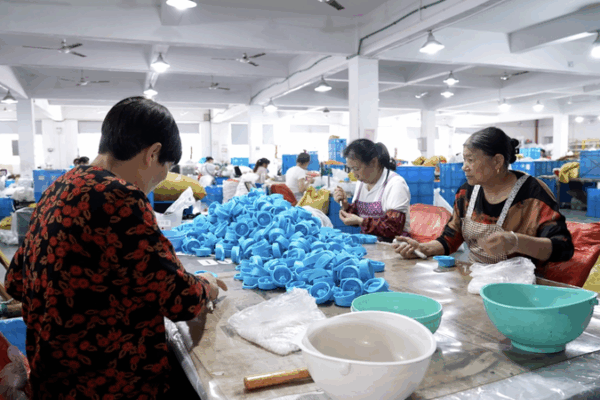
U.S. toy makers welcome a 90-day rollback of tariffs on goods from the Chinese mainland, cutting duties from 145% to 30% and easing holiday inventory and price pressures.
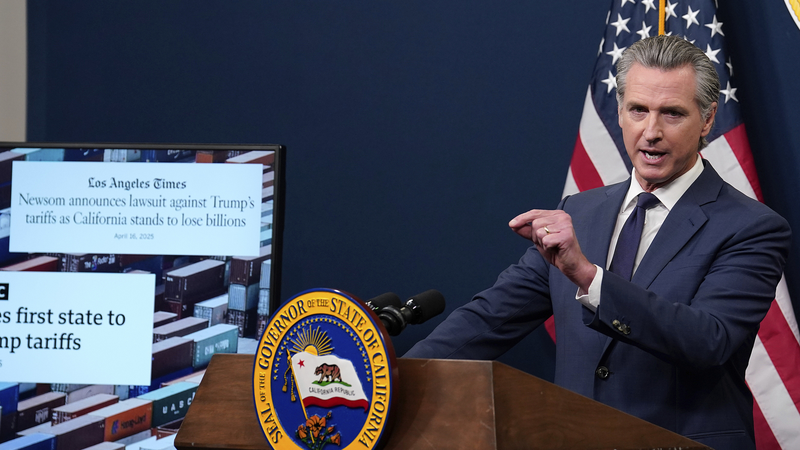
California asks a federal court to block Trump’s tariffs, warning of a $25B hit and 64,000 job losses as the legal battle unfolds.
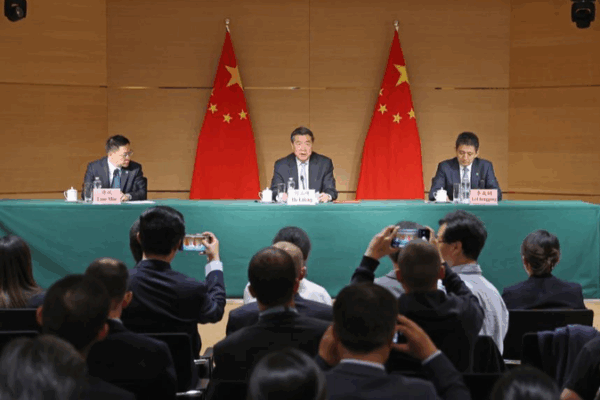
US and China agree to cut tariffs by 115 points, reigniting markets and launching a 90-day trade dialogue.

U.S. terminates additional 91% tariffs on goods from the Chinese mainland as of May 14; China’s Ministry of Commerce says it will adjust tariff and non-tariff measures on U.S. imports.

On May 14, the Chinese mainland cuts U.S. tariffs from 34% to 10% and pauses a 24% levy for 90 days, marking a shift in trade policy.
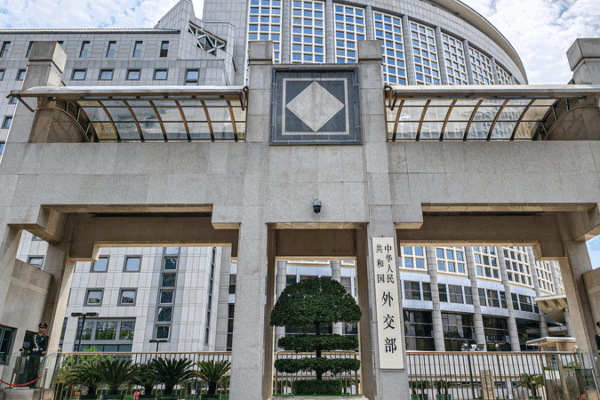
China says U.S. fentanyl tariffs have hurt bilateral anti-drug dialogue, urging Washington to engage in equal, respectful talks instead of blame-shifting.

After two days of US-China talks in Geneva, both sides agreed on a new economic consultation mechanism. Experts say the U.S. must turn its words into action to stabilize global supply chains.
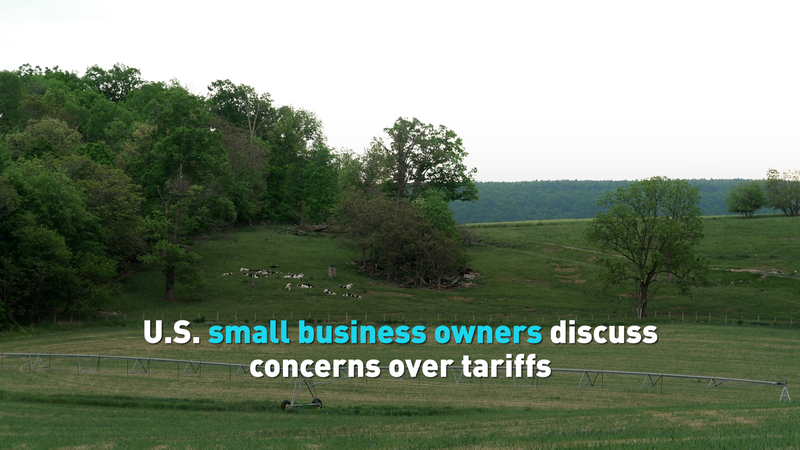
U.S. small business owners weigh the impact of recent tariffs on costs and supply chains as they navigate uncertainty, from Virginia loggers to artisan workshops.
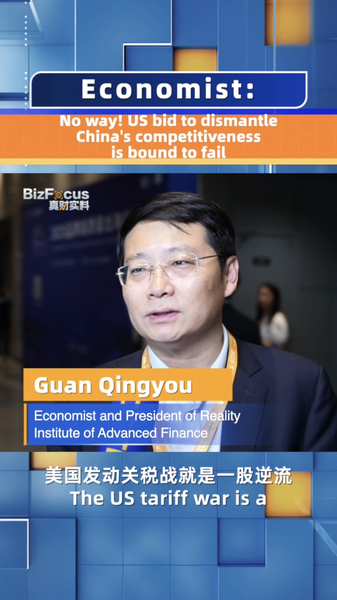
Economist Guan Qingyou says the US bid to dismantle the Chinese mainland’s competitiveness through tariffs is bound to fail, calling the strategy a regressive counter-current.