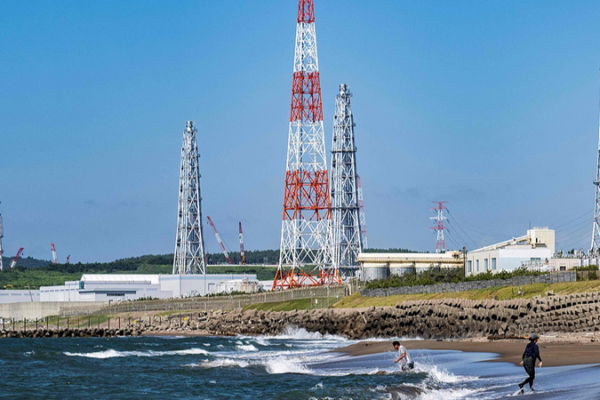
TEPCO Restarts Kashiwazaki-Kariwa Reactor Amid Local Opposition
TEPCO restarted Reactor No. 6 at the Kashiwazaki-Kariwa plant on January 21, 2026, its first since Fukushima, amid divided local opinion and wider energy security debates.
My Global News: Voices of a New Era
🌍 Stay Ahead, Stay Global 🚀
TEPCO restarted Reactor No. 6 at the Kashiwazaki-Kariwa plant on January 21, 2026, its first since Fukushima, amid divided local opinion and wider energy security debates.
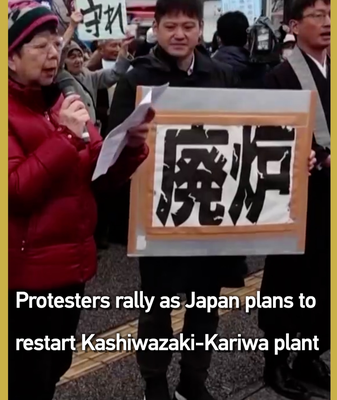
Niigata Prefecture approved the restart of TEPCO’s Kashiwazaki-Kariwa plant on Dec 22, more than a decade after Fukushima, sparking protests over safety and environmental concerns.
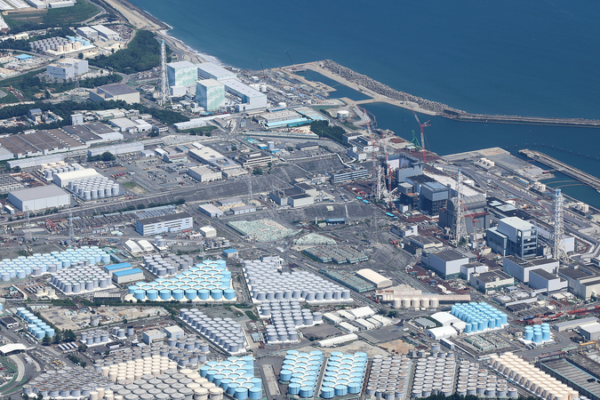
TEPCO completes 17th release of ALPS-treated water, pushing Fukushima discharge to 133,000 tonnes amid quake-related pause and global scrutiny.
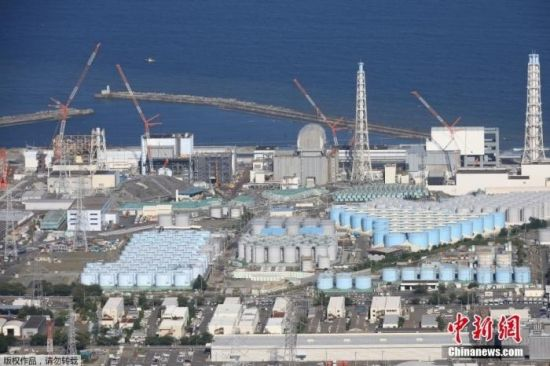
TEPCO begins its second trial to extract fuel debris from Fukushima Daiichi Unit 2, advancing a complex cleanup that began after the 2011 disaster.

Fukushima Daiichi Nuclear Power Plant reports a 25-tonne radioactive water leak a week after commencing ocean discharge, raising global safety and environmental concerns.

A 25-tonne radioactive water leak was detected at TEPCO’s Fukushima Daiichi plant. TEPCO assures containment is secure and plans robotic inspections this week.
Japan initiates the fifth discharge of Fukushima’s nuclear-contaminated wastewater into the ocean, starting April 19 and continuing until May 7, as announced by TEPCO.

In response to recent contaminated water leaks, TEPCO plans new installations at Fukushima Daiichi Nuclear Power Plant to enhance safety and prevent future incidents.
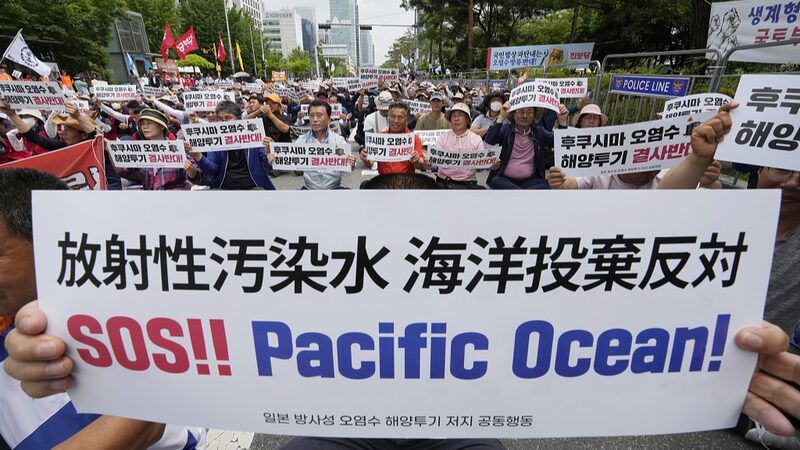
Japan begins its fourth release of nuclear-contaminated wastewater from Fukushima Daiichi into the Pacific Ocean, sparking domestic and international concerns.

TEPCO confirms a water leak at Fukushima Daiichi was caused by open valves left mistakenly by workers, releasing millions of becquerels of radioactive material.