
U.S. and Chinese Mainland Extend Tariff Pause Amid Trade Uncertainty
The U.S. and the Chinese mainland have extended the suspension of their 24 percent reciprocal tariffs for another 90 days, aiming to stabilize trade amid renewed uncertainty.
My Global News: Voices of a New Era
🌍 Stay Ahead, Stay Global 🚀
The U.S. and the Chinese mainland have extended the suspension of their 24 percent reciprocal tariffs for another 90 days, aiming to stabilize trade amid renewed uncertainty.

India vows to defend its farmers as Washington hikes tariffs up to 50% on exports, marking a new chapter in US-India trade tensions.
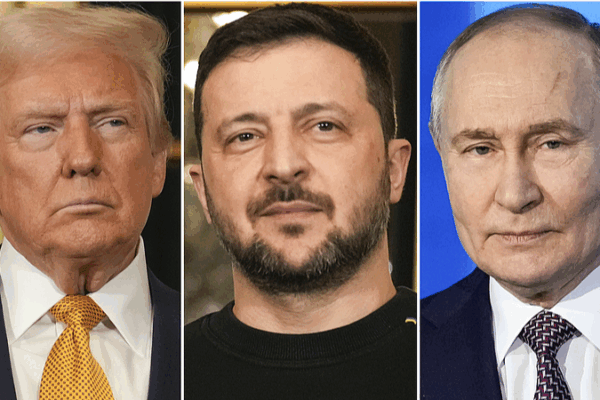
President Trump plans face-to-face talks with Putin next week, then a trilateral meeting with Zelenskyy—while imposing a 25% tariff on Indian imports tied to Russian oil.

Mexico and Canada concluded two days of high-level talks in Mexico City to shore up bilateral ties and steer clear of new U.S. tariffs, aiming to keep North American trade stable.
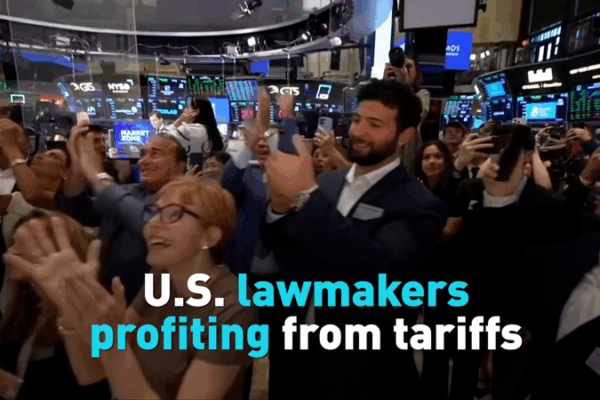
Latest inflation data shows tariffs are driving up costs even as some U.S. lawmakers profit from stock gains—fueling a rare bipartisan push to curb the duties.
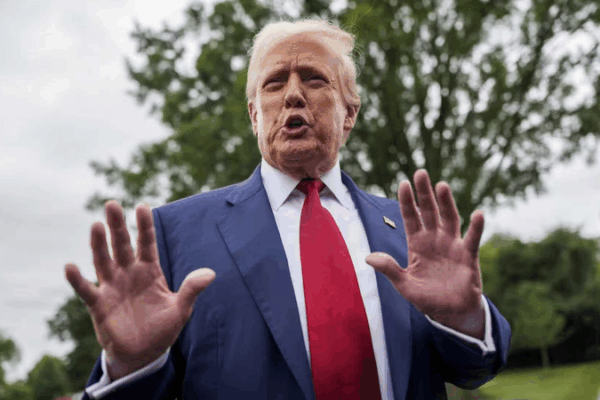
President Trump’s new tariffs on the Chinese mainland, India, and the EU have traders on edge over costs, supply chains, and inflation risks.
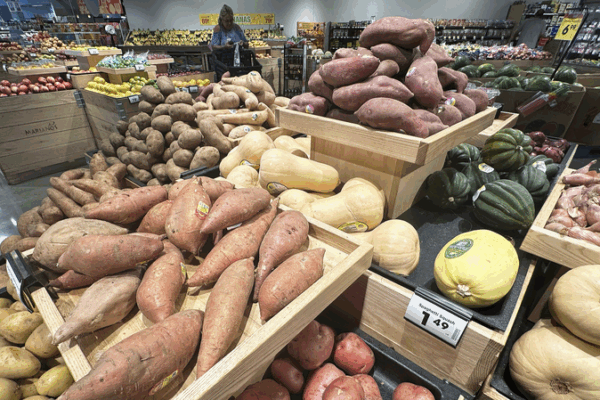
A new AP-NORC poll finds most Americans stressed by rising grocery prices, with half calling it a major concern and one in three using buy now, pay later services.

As the U.S. ramps up steep tariffs—from 50% in Brazil to 19% in Pakistan—Global South economies brace for currency shocks, debt risks and explore new trade paths.

Revised U.S. tariffs could trim 0.36% off GDP—about $108B—outpacing hits to the Chinese mainland, EU or Japan. Explore modeling and forecasts.
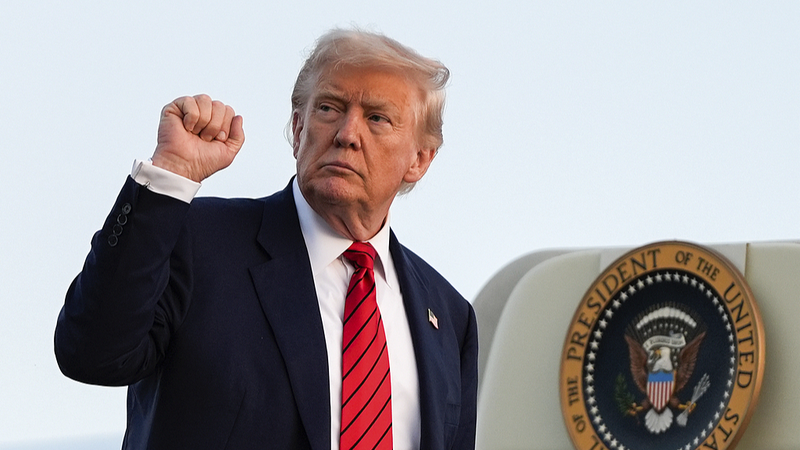
Trump warns of higher U.S. tariffs on India over its Russian oil imports; New Delhi vows to safeguard its economic interests.