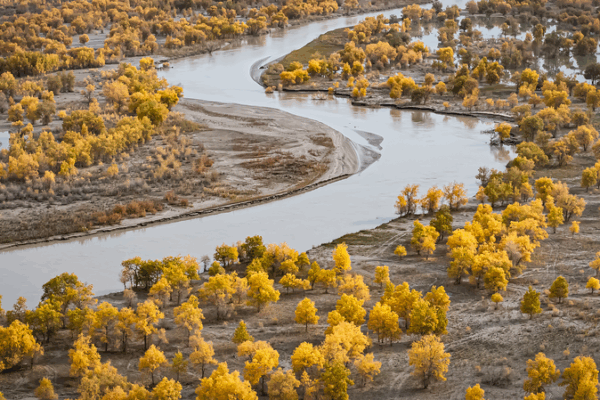
China’s Taklimakan Desert Transformed into Lush Oasis
Xinjiang’s Taklimakan Desert is undergoing a 38,000-acre greening project, shifting from a sealed “Green Great Wall” to active oasis creation in one of the world’s driest landscapes.
My Global News: Voices of a New Era
🌍 Stay Ahead, Stay Global 🚀
Xinjiang’s Taklimakan Desert is undergoing a 38,000-acre greening project, shifting from a sealed “Green Great Wall” to active oasis creation in one of the world’s driest landscapes.
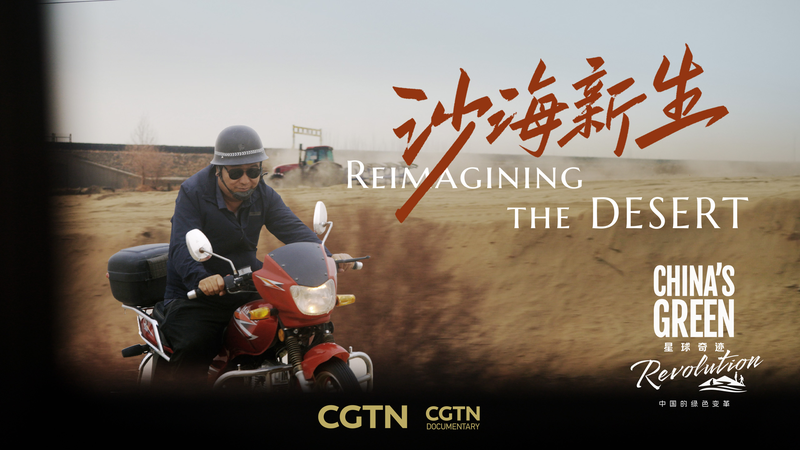
At 20, Jia Cunpeng fell in love with the Taklimakan, spent 20 years battling sandstorms and helped build a 3,000km green belt around the desert.

Explore how Dolan farmers on Xinjiang’s Taklimakan edge are reviving cultural heritage with vibrant paintings, blending tradition and modernity for a brighter future.

Discover how the Taklimakan Desert in the Chinese mainland is transforming from a symbol of hardship to a hub for solar power and aquaculture.

Yutian County’s bold greening project is turning the Taklimakan from a “Sea of Death” into a thriving oasis, blending tech and tradition to halt desertification.

A 16-day expedition along the Taklimakan Desert edge gathers data for innovative desert control strategies.

The Taklimakan Desert in the Chinese mainland unveils a 3,046-km green belt, balancing ecological preservation with community resilience.
On November 28, 2024, a significant milestone was reached in the southern Taklimakan Desert with the planting of the final rose seedling, completing the green belt and continuing efforts to combat desertification across 530 hectares.
The Taklimakan Desert in Xinjiang undergoes a stunning transformation during “poplar time,” with golden poplars, sapphire lakes, and white sand dunes creating a fairyland landscape.
China combats desertification in the Taklimakan Desert through innovative grass grids, photovoltaic power stations, and windbreak forests, building a green barrier with remarkable results.