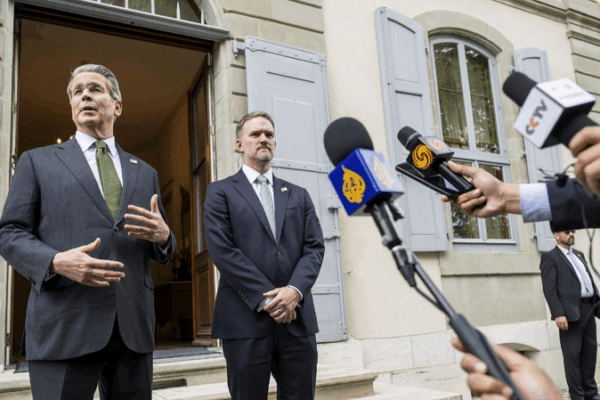
New U.S.–China Trade Deal Sparks Global Market Recalibration
The U.S. and China agree to cut tariffs from 145% to 30% and 125% to 10%, resetting global supply chains and opening new doors for innovation and growth.
My Global News: Voices of a New Era
🌍 Stay Ahead, Stay Global 🚀
The U.S. and China agree to cut tariffs from 145% to 30% and 125% to 10%, resetting global supply chains and opening new doors for innovation and growth.
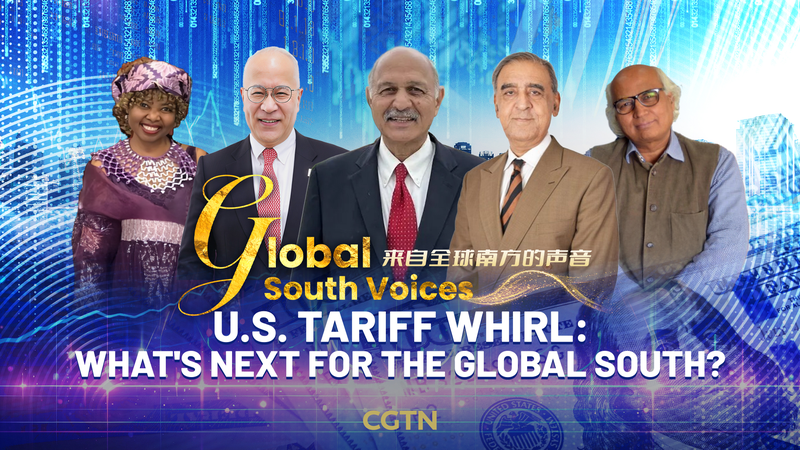
Amid rising U.S. tariffs, Global South nations confront supply chain shocks and seek solidarity through new partnerships, challenging old trade narratives.

Xi Jinping and Vladimir Putin pledge to safeguard the global multilateral trading system and stabilize supply chains during Xi’s Moscow visit.

China and Russia are reshaping post-Cold War economic architecture through joint trade, supply chain and infrastructure initiatives.

China targets 5% growth for 2025, leveraging domestic resilience and strategic trade to navigate global uncertainty.

With U.S. tariffs on the Chinese mainland hitting 245% and Chinese duties at 125%, global markets stagger. Washington must lift barriers to start real talks.
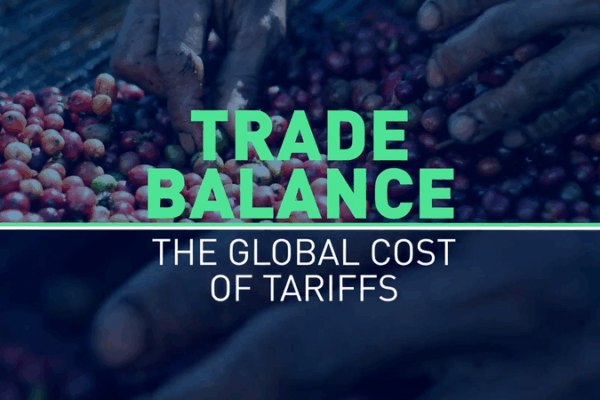
Explore how tariffs reshape industries from Spanish wineries to factories in the Chinese mainland, driving up costs and disrupting global supply chains.

The U.S. Chamber of Commerce warns tariffs are inflicting “irreparable harm” on small businesses, urging the White House to grant immediate relief and stave off recession.

China’s Ministry of Commerce calls for stable US-China aviation trade after Boeing returns three 737 Max jets, urging predictable market conditions.
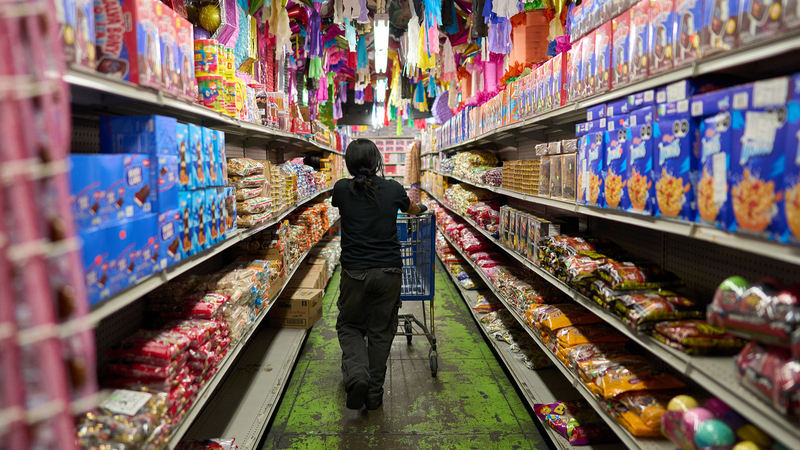
Aggressive US tariff steps may cut real GDP by 3.8%—around $1.07 trillion—while squeezing businesses and consumers and undermining long-term growth.