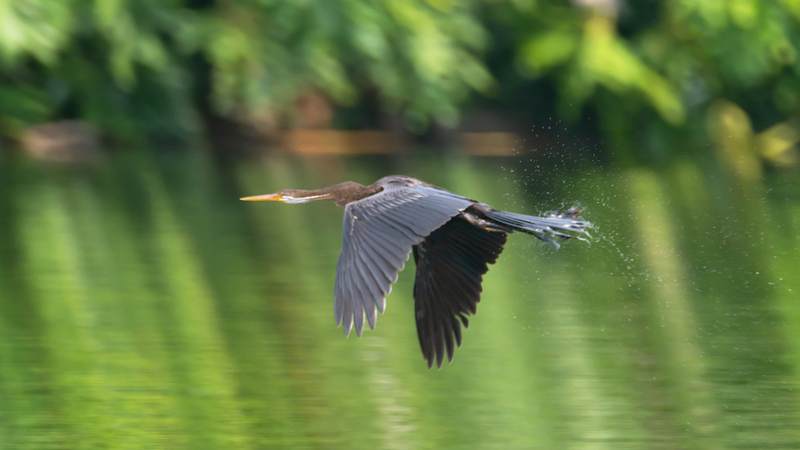
From Freshwater to Deep Space: 2025 Biodiversity Snapshot
As 2025 ends, threats to freshwater species accelerate while global conservation wins—and space-based research—offer hope for biodiversity’s future.
My Global News: Voices of a New Era
🌍 Stay Ahead, Stay Global 🚀
As 2025 ends, threats to freshwater species accelerate while global conservation wins—and space-based research—offer hope for biodiversity’s future.
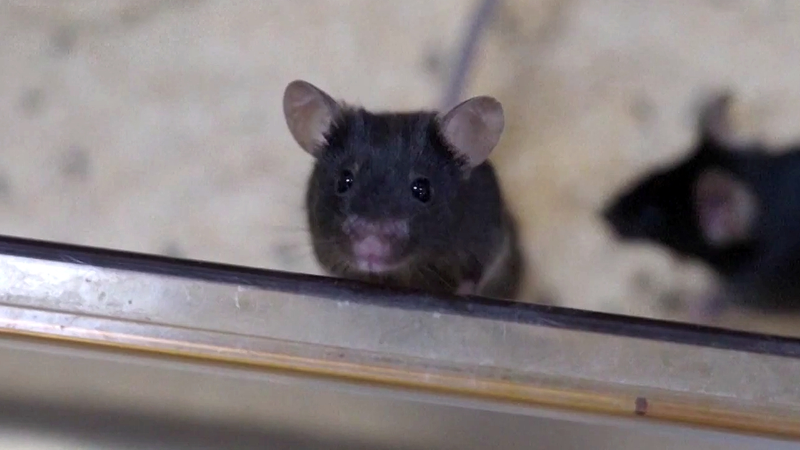
Footage of four mice living on China’s space station with the Shenzhou-21 crew shows the tiny astronauts in good spirits, marking a milestone in space-based biological research.

Four mice hitch a ride on China’s Shenzhou-21 mission to carry out groundbreaking orbit biology experiments, marking a new chapter in space research.
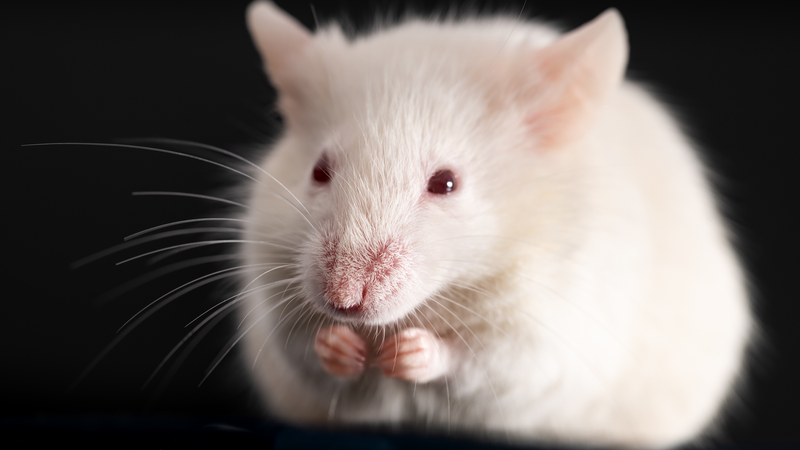
China’s Shenzhou-21 mission will carry four mice to the Chinese space station for in-orbit experiments as scientists explore biology in microgravity.
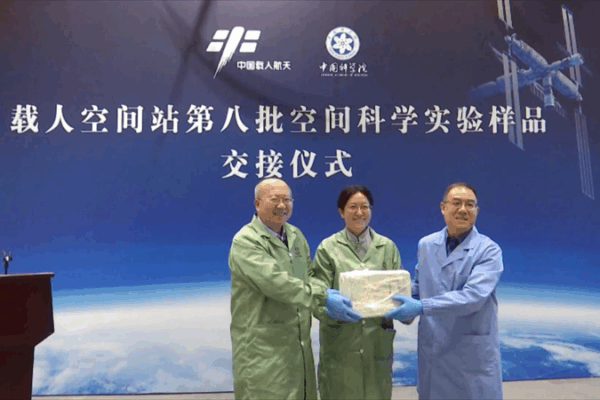
China’s Shenzhou-19 mission returned 37.25kg of space biology and materials samples, from bone cells to fruit flies, for next-gen Earth labs.

First batch of fruit flies bred on the Chinese space station will return to Earth aboard Shenzhou-19, offering data on magnetic sensing and gravity perception in space.

China’s Shenzhou-20 crew will study zebrafish, planarians and streptomyces aboard China’s space station, unveiling new insights into microgravity biology.

Chinese scientists have discovered a desert moss that can survive Mars-like conditions, inspiring future human exploration and potential ecosystems on the Red Planet.

Four zebrafish aboard the China Space Station are thriving yet showing signs of disorientation, offering insights into biological adaptation in space.

China advances its space and environmental research with the launch of the HY-3-01 ocean satellite and successful testing of biological samples exposed to space.