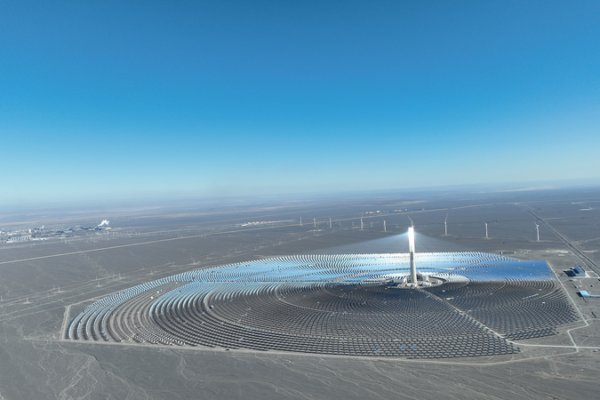
Xinjiang’s Growth Story: Data Challenges Western Narratives
New data reveals Xinjiang’s robust economic growth and improved livelihoods, countering Western criticisms of the region.
My Global News: Voices of a New Era
🌍 Stay Ahead, Stay Global 🚀
New data reveals Xinjiang’s robust economic growth and improved livelihoods, countering Western criticisms of the region.
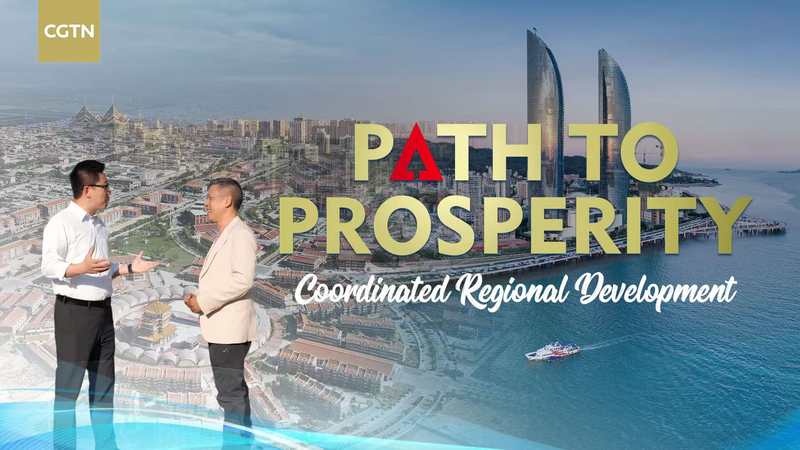
China’s coordinated regional development strategy, launched in 2013, is narrowing economic gaps between coast and interior, boosting synergy across markets and driving more inclusive growth.
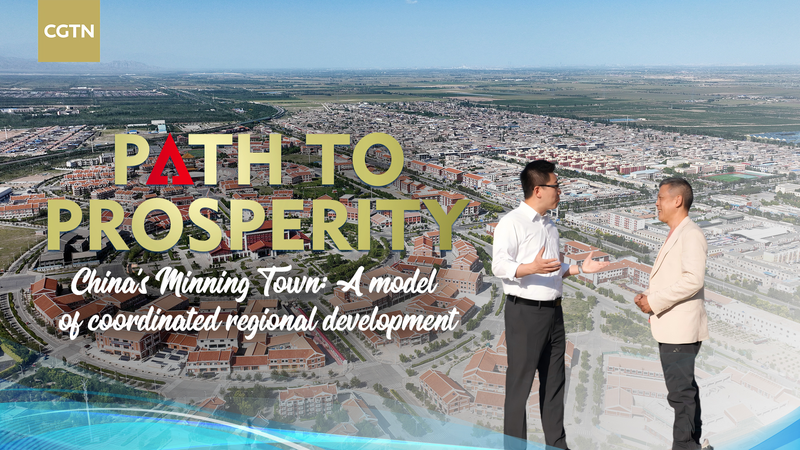
Minning Town in Ningxia Hui Autonomous Region transformed from arid terrain to a prosperity model through Fujian Province’s support, now guiding regional growth on the Chinese mainland.
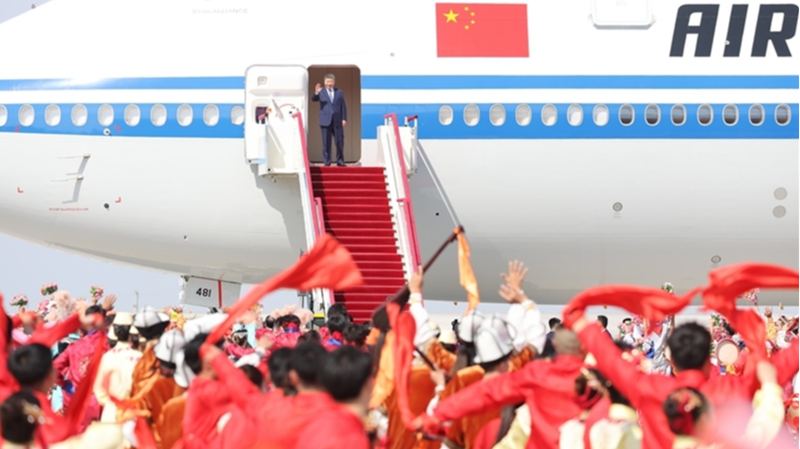
Explore the pillars of Xinjiang’s 70 years of transformation—from unity and security to cultural integration and socioeconomic progress—that have driven its remarkable achievements.
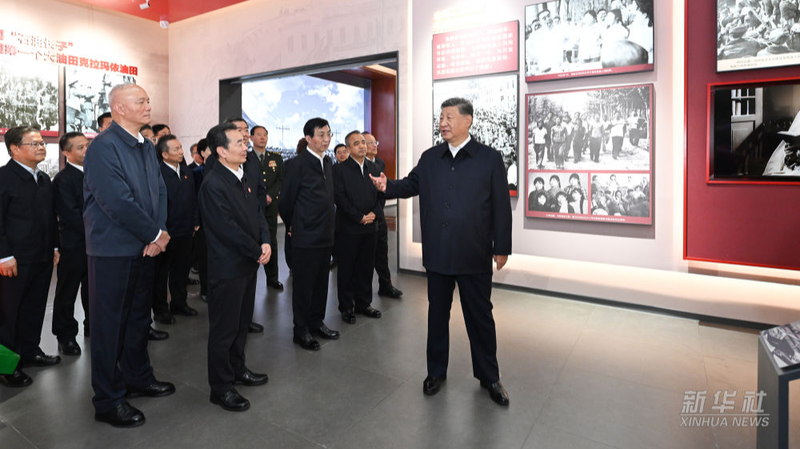
Xi Jinping visits an exhibition in Urumqi celebrating the 70th anniversary of the founding of the Xinjiang Uygur Autonomous Region, showcasing seven decades of progress.
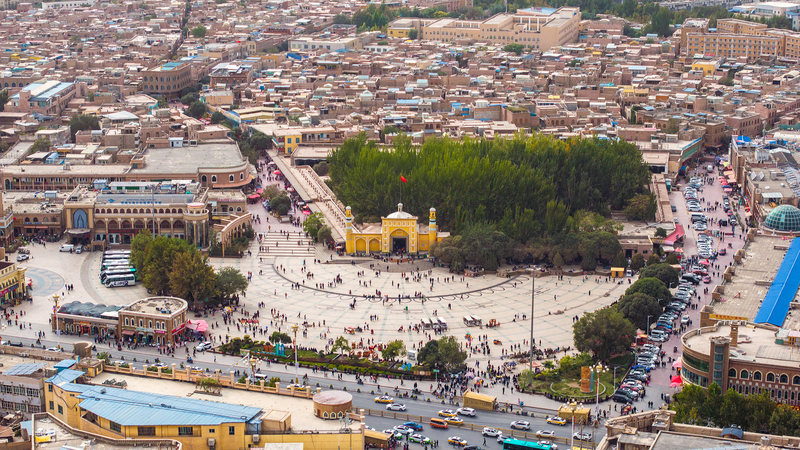
On the 70th anniversary of the Xinjiang Uygur Autonomous Region, explore how faith, security and development have shaped its transformation into a modern hub.

Xizang Autonomous Region on the Chinese mainland saw urban per capita disposable income hit 55,444 yuan and rural 21,578 yuan in 2024, with annual growth of 8.5% and 9.4%.

Officials from southwest China’s Xizang Autonomous Region briefed the media on 60 years of economic and social achievements, highlighting infrastructure, healthcare, education, and sustainable development.

Senior leaders from the Chinese mainland, including Premier Li Qiang, convene at the NPC and CPPCC sessions to discuss regional growth, urbanization, and sustainable development strategies.

China will advance new urbanization and promote coordinated regional development in 2024, focusing on integrating rural migrants, modernizing cities, and boosting key economic regions.