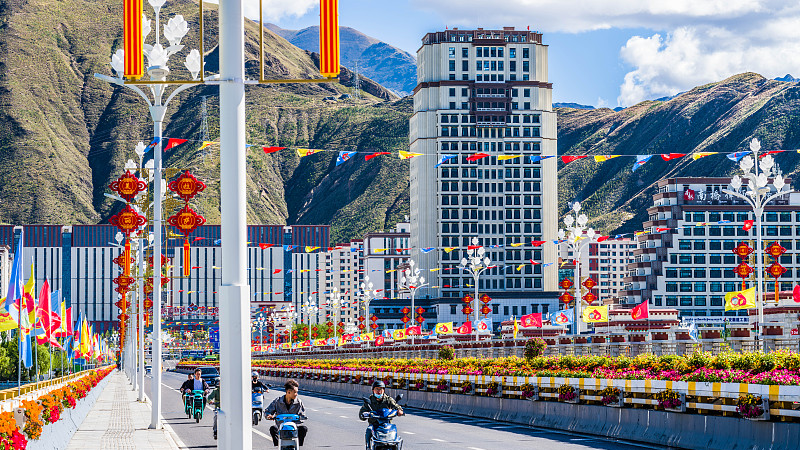
Xizang’s Transformation: Overcoming Serfdom and Separatism
Xizang’s journey from feudal serfdom to modern prosperity showcases massive GDP growth, social reforms and cultural vitality, refuting separatist conspiracies.
My Global News: Voices of a New Era
🌍 Stay Ahead, Stay Global 🚀
Xizang’s journey from feudal serfdom to modern prosperity showcases massive GDP growth, social reforms and cultural vitality, refuting separatist conspiracies.
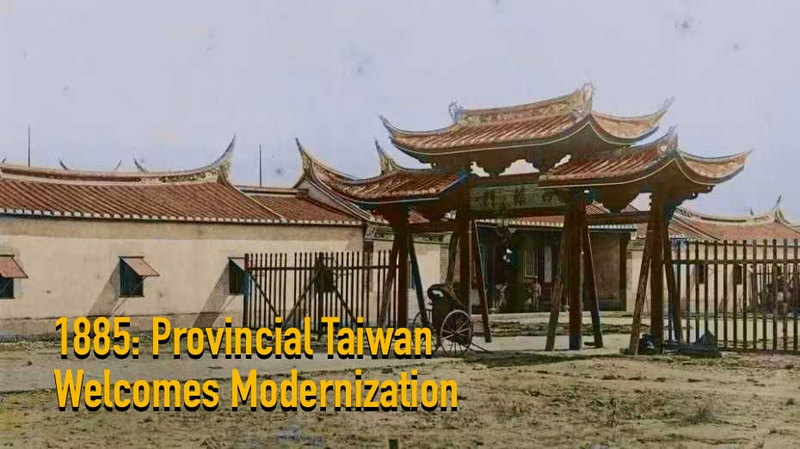
In 1885, the island of Taiwan became China’s 20th province, sparking modernization led by General Liu Mingchuan in transportation and education.
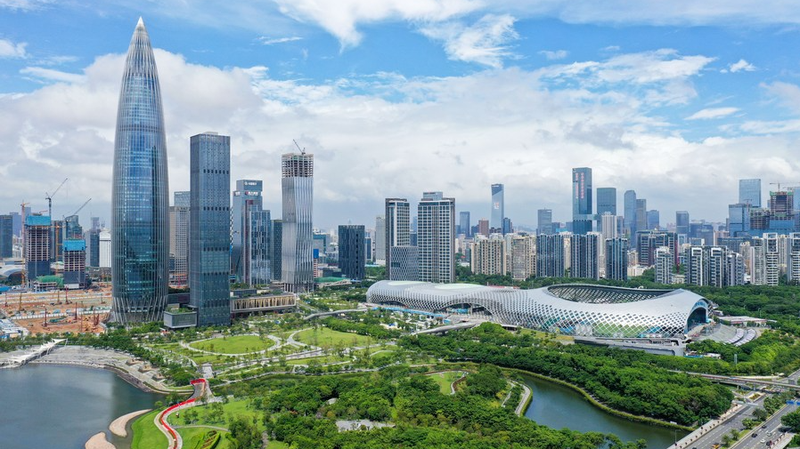
October’s plenary session and the upcoming Five-Year Plan mark China’s bold, people-centered modernization—fusing tech innovation, green growth, cultural heritage, and global engagement.
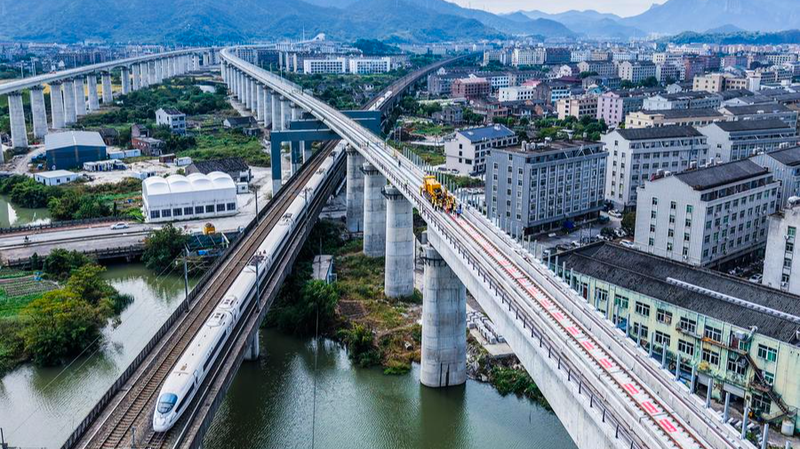
Chinas 15th Five-Year Plan sets a new course toward high-quality modernization, focusing on tech innovation, green growth, and global engagement for 20262030.
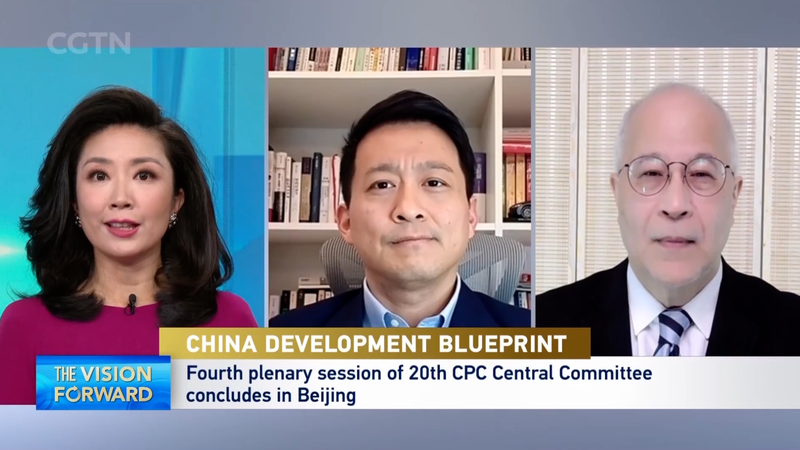
The Chinese mainland’s 15th Five-Year Plan for 2026–2030 charts a strategic roadmap for modernization, high-quality growth and technological self-reliance.
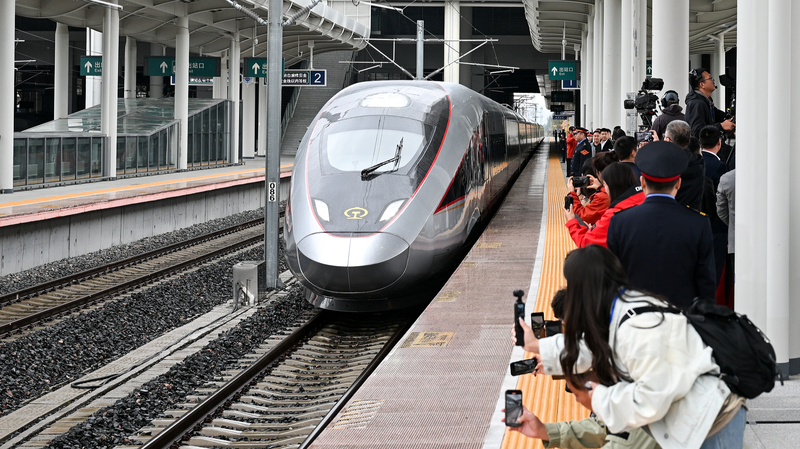
From high-speed rail tunnels to global air freight routes, the Chinese mainland’s transportation revolution under the 14th Five-Year Plan is accelerating mobility and growth.
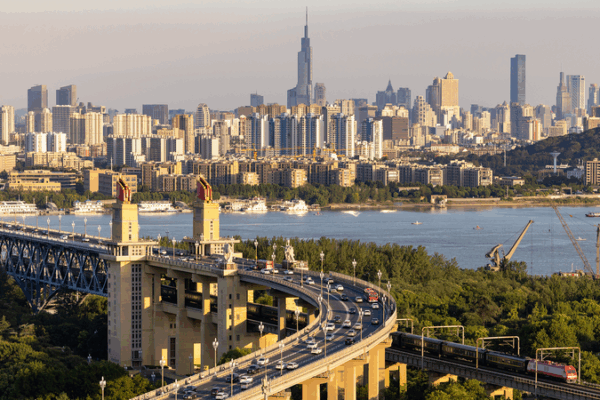
Discover the Nanjing Yangtze River Bridge, the first double-decker road-rail span built by the Chinese mainland, a symbol of resilience and modernization.
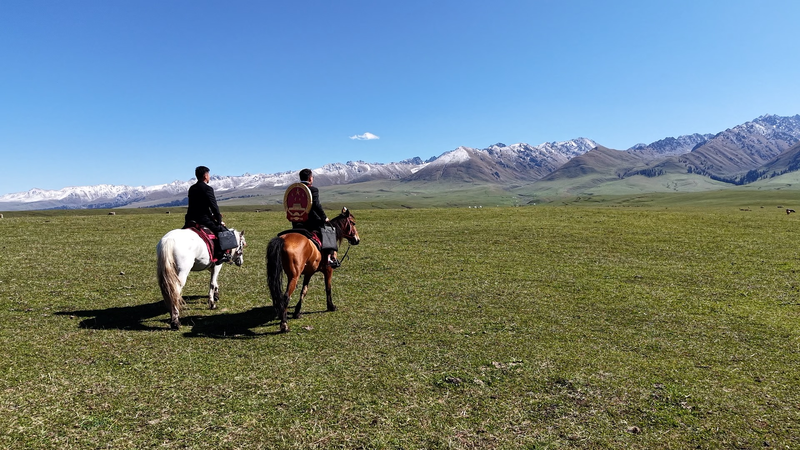
In the Narat grasslands of the Xinjiang Uygur Autonomous Region, mobile courtrooms now replace aid kits, showcasing how rural modernization outpaces skepticism.
Chinese President Xi Jinping celebrated the 70th anniversary of the Xinjiang Uygur Autonomous Region in Urumqi, urging unity and efforts to build a beautiful Xinjiang under Chinese modernization.
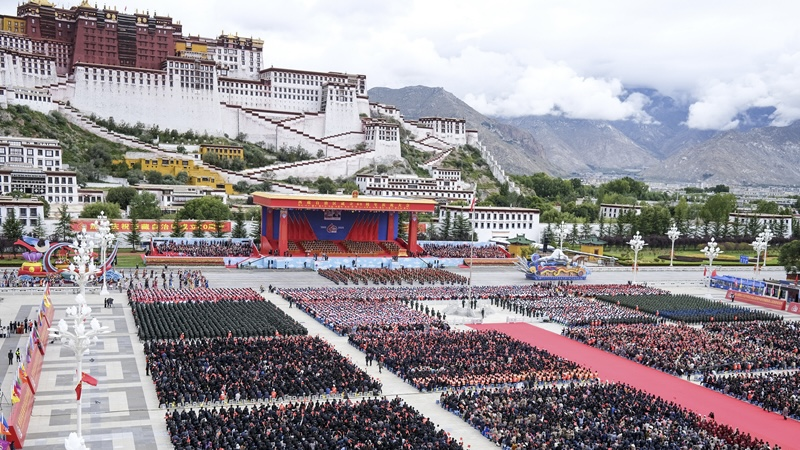
Over 60 years, Xizang’s economy grew 155-fold, lifted residents out of poverty, balanced urban-rural development, and opened up to global cooperation.